 EN
EN

Large-scale development projects require robust and reliable waterproofing solutions that can withstand the test of time and environmental challenges. Bitumen waterproofing has emerged as one of the most effective and widely adopted methods for protecting commercial buildings, industrial facilities, and residential complexes from water infiltration. The selection process for bitumen waterproofing systems involves careful consideration of multiple factors including project scope, environmental conditions, budget constraints, and long-term performance expectations. Understanding the intricacies of bitumen waterproofing materials and their applications is crucial for project managers, architects, and construction professionals who aim to deliver superior protection against moisture-related damages.
Understanding Bitumen Waterproofing Systems
Types of Bitumen Waterproofing Materials
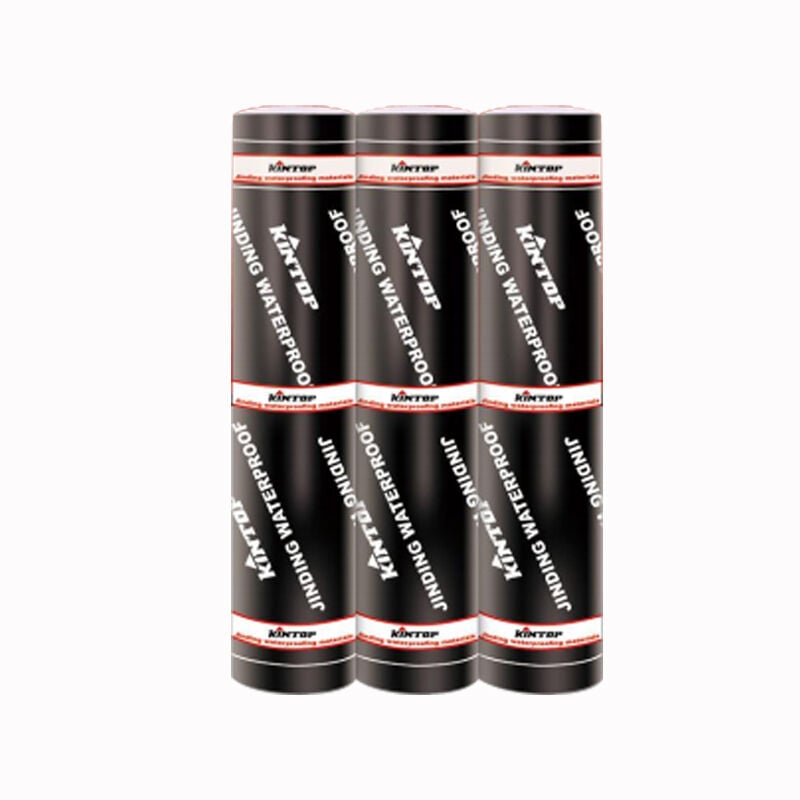
Bitumen waterproofing encompasses several distinct material categories, each designed to address specific application requirements and environmental conditions. Modified bitumen membranes represent the most advanced category, incorporating polymer modifications that enhance flexibility, durability, and temperature resistance. These modified systems typically include APP (Atactic Polypropylene) and SBS (Styrene-Butadiene-Styrene) formulations, which provide superior performance characteristics compared to traditional bitumen products. The polymer modification process significantly improves the material's ability to accommodate structural movement while maintaining waterproof integrity.
Self-adhesive bitumen membranes offer installation advantages through their pressure-sensitive adhesive backing, eliminating the need for heat application during installation. These systems are particularly valuable in sensitive environments where flame-based installation methods are prohibited or impractical. Cold-applied bitumen waterproofing solutions provide versatility for complex geometries and detailed work, allowing precise application around penetrations, joints, and irregular surfaces. The selection between these various bitumen waterproofing options depends on factors such as substrate conditions, accessibility, weather constraints, and performance requirements.
Performance Characteristics and Benefits
The performance advantages of bitumen waterproofing systems make them particularly suitable for large-scale developments where reliability and longevity are paramount concerns. These materials demonstrate exceptional resistance to water penetration, UV radiation, temperature fluctuations, and chemical exposure. The inherent flexibility of properly formulated bitumen waterproofing allows accommodation of structural movement without compromising the waterproof barrier. This characteristic is especially important in large buildings where thermal expansion and contraction cycles can stress rigid waterproofing systems.
Durability represents another key advantage of bitumen waterproofing systems, with properly installed membranes providing decades of reliable service life. The materials resist degradation from environmental factors and maintain their waterproofing properties even under challenging conditions. Additionally, bitumen waterproofing systems offer excellent compatibility with various substrate materials including concrete, steel, wood, and masonry surfaces. This versatility simplifies material selection and reduces the complexity of waterproofing design for multi-substrate applications common in large-scale developments.
Selection Criteria for Large-Scale Projects
Environmental and Climate Considerations
Climate conditions significantly influence the selection of appropriate bitumen waterproofing systems for large-scale developments. Temperature extremes, precipitation patterns, humidity levels, and wind exposure all impact material performance and longevity. In regions experiencing severe temperature fluctuations, modified bitumen waterproofing with enhanced flexibility becomes essential to prevent cracking and membrane failure. High-temperature environments require formulations with superior heat resistance to prevent softening and flow during peak summer conditions.
Precipitation patterns affect both installation scheduling and long-term performance requirements. Areas with heavy rainfall or snow loads necessitate bitumen waterproofing systems with robust puncture resistance and superior adhesion properties. Coastal environments introduce additional challenges through salt exposure and wind-driven rain, requiring specialized formulations with enhanced chemical resistance. Understanding these environmental factors enables informed selection of bitumen waterproofing systems that will perform reliably throughout their intended service life.
Structural and Design Requirements
Large-scale developments present unique structural challenges that influence bitumen waterproofing selection and design. Building height, floor area, structural systems, and architectural features all impact waterproofing requirements and installation methods. High-rise buildings experience greater wind loads and structural movement, necessitating bitumen waterproofing systems with enhanced flexibility and strong adhesion characteristics. The presence of expansion joints, penetrations, and complex geometries requires careful material selection to ensure comprehensive protection.
Substrate conditions play a crucial role in bitumen waterproofing system selection, as different materials require specific primer and adhesive systems for optimal performance. Concrete substrates may require surface preparation and primer application to achieve proper adhesion, while steel substrates need specialized corrosion protection measures. The timing of waterproofing installation within the construction sequence affects material selection, as some bitumen waterproofing systems are more tolerant of construction activities and potential damage than others.
Installation Methods and Quality Control
Heat Application Techniques
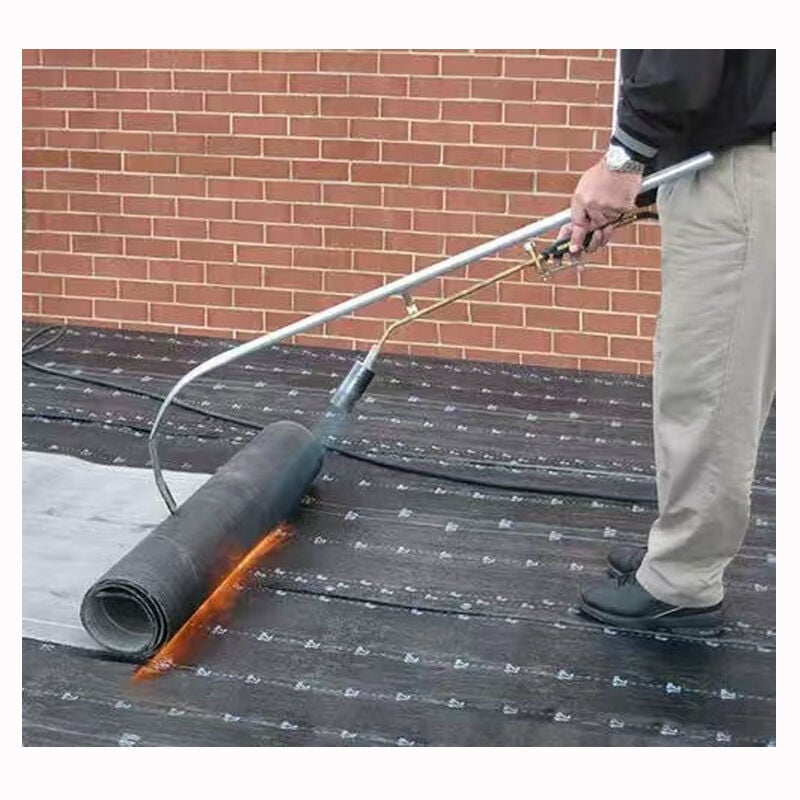
Heat-applied bitumen waterproofing systems require specialized equipment and skilled technicians to achieve optimal results in large-scale applications. Torch application represents the traditional method, using propane torches to activate the adhesive backing and create strong bonds with the substrate. This technique allows precise control over heat application and enables installation in various weather conditions. However, torch application requires strict safety protocols and fire prevention measures, particularly important in large-scale developments where fire safety is paramount.
Hot-air welding systems offer an alternative to open flame methods, using heated air to activate bitumen waterproofing materials. This approach reduces fire risks while maintaining installation quality and speed. Induction heating technology represents the latest advancement in heat application methods, providing precise temperature control and eliminating open flames entirely. The selection of heat application methods for bitumen waterproofing depends on project safety requirements, local regulations, building occupancy, and installer expertise.
Quality Assurance and Testing
Comprehensive quality control measures are essential for ensuring the long-term performance of bitumen waterproofing systems in large-scale developments. Pre-installation testing should verify material quality, storage conditions, and compatibility with substrate materials. During installation, continuous monitoring of application techniques, overlap sealing, and detail work ensures compliance with manufacturer specifications and industry standards. Electronic leak detection systems can identify potential weak points in the bitumen waterproofing membrane before protective coverings are applied.
Post-installation testing validates the integrity of completed bitumen waterproofing systems through flood testing, spray testing, or electrical impedance methods. Documentation of test results provides valuable information for warranty claims and future maintenance planning. Regular inspection schedules should be established to monitor the long-term performance of bitumen waterproofing systems and identify any maintenance requirements before significant problems develop.
Cost Analysis and Budget Planning
Initial Investment Considerations
The cost of bitumen waterproofing systems for large-scale developments encompasses material costs, installation labor, equipment requirements, and associated preparation work. Material costs vary significantly between basic bitumen waterproofing products and advanced modified systems with enhanced performance characteristics. While premium materials command higher initial prices, their superior durability and reduced maintenance requirements often result in lower life-cycle costs for large-scale applications.
Installation costs depend on factors such as accessibility, complexity, weather conditions, and installer expertise. Large-scale projects typically benefit from economies of scale that reduce per-square-foot installation costs compared to smaller applications. However, complex architectural features, multiple penetrations, and detailed work can increase installation time and costs. Proper budget planning for bitumen waterproofing should include contingencies for unforeseen substrate conditions, weather delays, and potential rework requirements.
Long-Term Value Assessment
Life-cycle cost analysis provides a comprehensive framework for evaluating bitumen waterproofing options in large-scale developments. This assessment includes initial material and installation costs, expected service life, maintenance requirements, and potential replacement costs over the building's operational period. High-quality bitumen waterproofing systems with extended warranties often demonstrate superior value despite higher initial investments.
Energy efficiency considerations add another dimension to cost analysis, as effective bitumen waterproofing systems can reduce heating and cooling costs through improved building envelope performance. The prevention of water damage and associated repair costs represents a significant value proposition for quality bitumen waterproofing systems. Insurance implications should also be considered, as proper waterproofing documentation may qualify for reduced premiums or improved coverage terms.
Maintenance and Performance Monitoring
Preventive Maintenance Strategies
Effective maintenance programs extend the service life of bitumen waterproofing systems and protect the substantial investment made in large-scale developments. Regular inspection schedules should be established to identify potential issues before they compromise waterproofing integrity. Visual inspections can detect surface damage, membrane displacement, joint separation, and other visible problems that require attention.
Preventive maintenance for bitumen waterproofing includes cleaning drainage systems, removing debris accumulation, resealing penetrations, and addressing minor repairs promptly. Seasonal maintenance activities should address issues specific to climate conditions, such as ice dam prevention in cold climates or expansion joint maintenance in high-temperature environments. Documentation of maintenance activities provides valuable information for warranty claims and helps establish patterns that inform future maintenance planning.
Performance Monitoring Systems
Advanced monitoring systems enable real-time assessment of bitumen waterproofing performance in large-scale developments. Moisture sensors embedded within the building envelope can detect water infiltration before it becomes visible, allowing for prompt remedial action. Temperature monitoring helps assess the thermal performance of bitumen waterproofing systems and identify areas where improvements may be beneficial.
Digital documentation systems facilitate tracking of inspection results, maintenance activities, and performance trends over time. This information supports data-driven decision making for maintenance scheduling, system upgrades, and replacement planning. Integration with building management systems enables automated alerts for maintenance requirements and performance deviations, optimizing the long-term performance of bitumen waterproofing systems.
FAQ
What factors should be considered when selecting bitumen waterproofing for large buildings?
Key factors include climate conditions, building height and structural movement, substrate materials, installation accessibility, budget constraints, and long-term performance requirements. Environmental factors such as temperature extremes, precipitation patterns, and chemical exposure significantly influence material selection. The complexity of architectural features and penetrations also affects the choice of bitumen waterproofing systems and installation methods.
How does climate affect the performance of bitumen waterproofing systems?
Climate conditions directly impact both installation requirements and long-term performance of bitumen waterproofing materials. Extreme temperatures can cause thermal stress and cracking if inappropriate materials are selected. High humidity environments may affect adhesion and curing processes, while UV exposure can degrade unprotected membranes. Proper climate assessment ensures selection of bitumen waterproofing systems with appropriate temperature ratings and environmental resistance.
What maintenance is required for bitumen waterproofing in large-scale developments?
Regular maintenance includes visual inspections, drainage system cleaning, debris removal, and prompt repair of minor damage. Preventive measures such as resealing penetrations and maintaining protective coatings help extend system life. Documentation of maintenance activities supports warranty compliance and helps identify performance trends. Professional inspections should be conducted annually or after severe weather events to assess system integrity.
How long can bitumen waterproofing systems last in commercial applications?
High-quality bitumen waterproofing systems typically provide 15-30 years of reliable service in commercial applications, with some premium modified systems exceeding these timeframes. Service life depends on factors such as material quality, installation workmanship, environmental conditions, and maintenance practices. Proper selection and installation of bitumen waterproofing systems, combined with regular maintenance, maximizes longevity and protects the substantial investment in large-scale developments.
Table of Contents
- Understanding Bitumen Waterproofing Systems
- Selection Criteria for Large-Scale Projects
- Installation Methods and Quality Control
- Cost Analysis and Budget Planning
- Maintenance and Performance Monitoring
-
FAQ
- What factors should be considered when selecting bitumen waterproofing for large buildings?
- How does climate affect the performance of bitumen waterproofing systems?
- What maintenance is required for bitumen waterproofing in large-scale developments?
- How long can bitumen waterproofing systems last in commercial applications?