 EN
EN
Bathrooms face constant exposure to moisture, steam, and water splashes that can penetrate building materials and create serious structural problems. Effective bathroom waterproofing techniques serve as the first line of defense against water damage, preventing costly repairs and health hazards associated with mold growth. Professional contractors and homeowners alike recognize that proper waterproofing implementation requires understanding multiple application methods, material selection, and long-term maintenance strategies to ensure optimal protection.
Water infiltration in bathroom environments creates ideal conditions for mold spores to multiply rapidly, leading to respiratory issues and allergic reactions among building occupants. Modern waterproofing solutions address these challenges through advanced membrane systems, liquid-applied coatings, and vapor barrier installations that create impermeable barriers against moisture penetration. The selection of appropriate waterproofing methods depends on substrate conditions, environmental factors, and specific performance requirements for each bathroom application.
Essential Membrane Waterproofing Systems
Sheet Membrane Applications
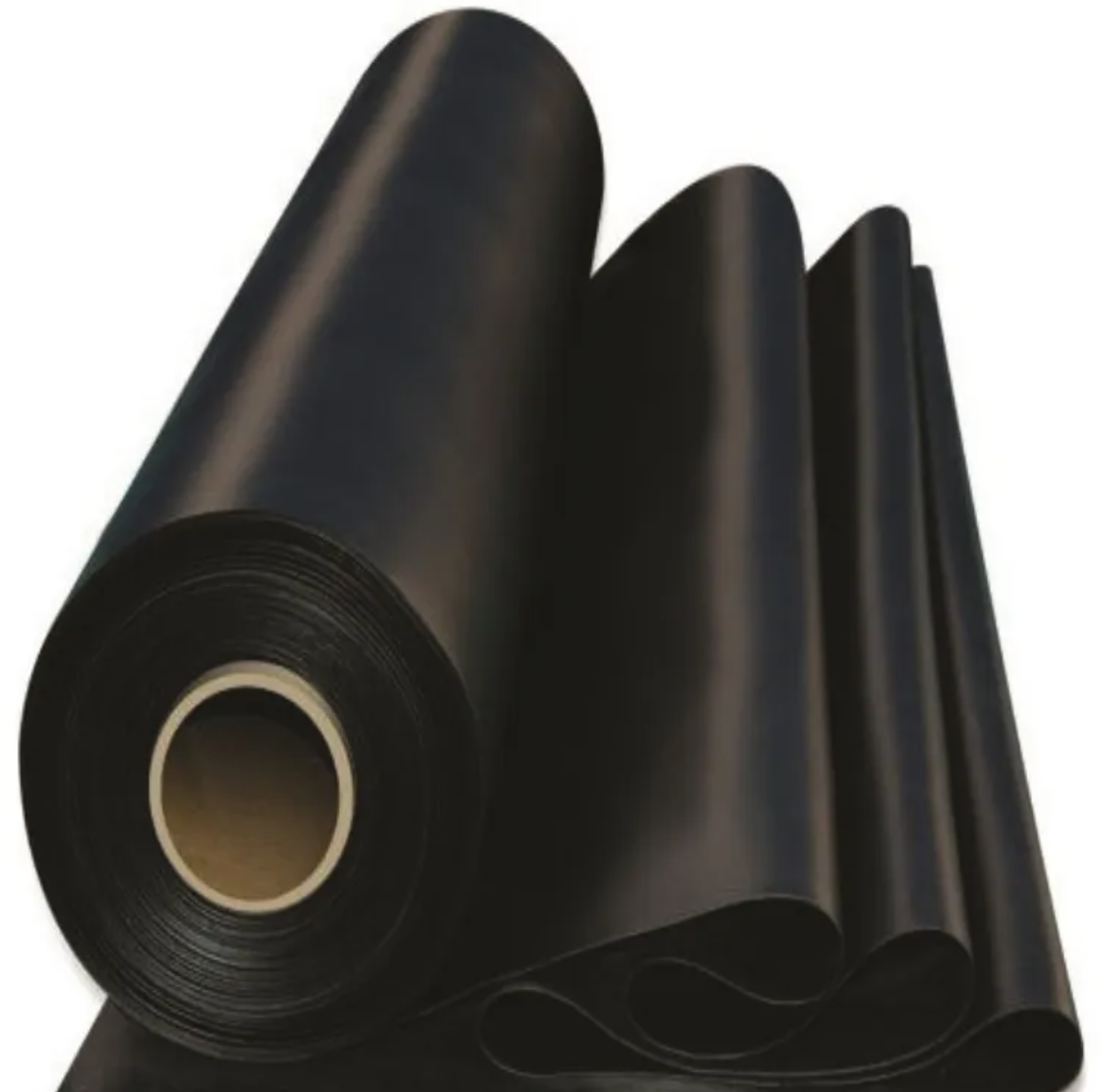
Sheet membrane systems provide reliable waterproofing protection through pre-manufactured flexible materials that create continuous barriers across bathroom surfaces. These membranes typically consist of modified bitumen, thermoplastic, or elastomeric compounds engineered to withstand thermal movement and structural settling without compromising seal integrity. Installation requires careful surface preparation, including cleaning, priming, and addressing any cracks or irregularities that could compromise membrane adhesion.
Professional installers emphasize proper overlap techniques and seam sealing to ensure complete water barrier continuity across wall-to-floor transitions and around penetrations. Quality sheet membranes resist puncturing, tearing, and degradation from cleaning chemicals commonly used in bathroom maintenance. The durability of these systems often exceeds 25 years when installed according to manufacturer specifications and maintained through regular inspection protocols.
Liquid Membrane Solutions
Liquid-applied membranes offer versatility in covering complex geometries and detailed areas where sheet membranes may prove difficult to install effectively. These coating systems cure to form seamless, elastic barriers that accommodate substrate movement while maintaining waterproof integrity. Application methods include spray, roller, or brush techniques depending on product viscosity and surface accessibility requirements.
Advanced liquid membrane formulations incorporate reinforcement fabrics at critical stress points and transitions to enhance tear resistance and longevity. The curing process typically requires controlled environmental conditions regarding temperature and humidity to achieve optimal film formation and adhesion properties. Multiple coat applications may be necessary to achieve specified dry film thickness and ensure complete coverage across all substrate surfaces.
Advanced Coating Technologies
Polyurethane Waterproof Coatings
Polyurethane-based waterproof coatings deliver exceptional flexibility and chemical resistance properties essential for bathroom environments exposed to cleaning agents and temperature fluctuations. These single or two-component systems cure to form durable, elastic films that bridge minor substrate cracks while maintaining excellent adhesion to concrete, masonry, and prepared surfaces. The molecular structure of polyurethane provides superior elongation characteristics that accommodate building movement without membrane failure.
Application of polyurethane coatings requires attention to ambient conditions and proper mixing procedures to ensure uniform film properties and optimal performance. Surface preparation typically involves thorough cleaning, moisture testing, and primer application to enhance coating adhesion and longevity. Professional applicators recommend multiple thin coats rather than single thick applications to achieve better penetration and reduce the risk of defects such as bubbling or incomplete curing.
Epoxy-Based Protection Systems
Epoxy waterproofing systems provide robust protection against water infiltration while offering excellent resistance to abrasion, impact, and chemical exposure in high-traffic bathroom applications. These thermoset polymers create hard, impervious surfaces that prevent moisture penetration while facilitating easy cleaning and maintenance. Two-component epoxy formulations allow for precise control over working time and final properties through careful ratio mixing and application timing.
The installation process for epoxy systems demands meticulous surface preparation including degreasing, roughening, and moisture elimination to ensure proper bonding and long-term performance. Ambient temperature and humidity control during application and curing phases significantly impact final coating quality and durability. Many epoxy waterproofing products incorporate antimicrobial additives that provide additional protection against mold and bacterial growth in bathroom environments.
Substrate Preparation and Surface Treatment
Concrete and Masonry Surfaces
Proper preparation of concrete and masonry substrates forms the foundation for successful waterproofing system performance and longevity. Surface assessment includes evaluation of substrate integrity, moisture content, and contamination levels that could compromise waterproofing adhesion. Mechanical preparation methods such as grinding, shot blasting, or acid etching create appropriate surface profiles for optimal coating penetration and bonding.
Crack repair and substrate stabilization must be completed before waterproofing application to prevent future failure points and ensure uniform protection across all surfaces. Professional contractors utilize specialized repair mortars and injection systems to address structural defects and create smooth, sound substrates suitable for membrane installation. Moisture testing protocols help determine appropriate curing times and environmental conditions required for successful waterproofing implementation.
Existing Tile and Ceramic Surfaces
Waterproofing over existing tile surfaces requires specialized preparation techniques and compatible coating systems designed for adhesion to glazed ceramic materials. Surface abrasion or chemical etching creates mechanical bonding opportunities while removing contaminants that could interfere with waterproofing performance. Grout line preparation often involves removal and replacement with waterproof alternatives to eliminate potential water infiltration pathways.
Primer systems specifically formulated for tile substrates enhance waterproofing adhesion and reduce the risk of coating failure due to thermal cycling and moisture exposure. The selection of compatible waterproofing materials ensures long-term bonding without delamination or loss of protective properties. Professional assessment may recommend complete tile removal in cases where substrate conditions or existing damage compromise waterproofing effectiveness.
Critical Detail Waterproofing
Floor-to-Wall Transitions
Floor-to-wall transitions represent critical vulnerability points where structural movement and water accumulation create heightened risk for waterproofing failure. These areas require specialized detailing techniques including cove formation, reinforcement strips, and enhanced membrane thickness to accommodate differential movement between building elements. Professional installation practices emphasize gradual transitions rather than sharp angles that concentrate stress and increase tear potential.
Reinforcement fabrics embedded in liquid membranes or specialized transition strips provide additional strength at these critical junctions while maintaining flexibility necessary for long-term performance. The geometric design of transition details influences water drainage patterns and helps direct moisture toward designated drainage points rather than allowing accumulation in vulnerable areas. Quality control measures include visual inspection and water testing to verify seal integrity before covering with finish materials.
Penetration Sealing Methods
Plumbing penetrations, electrical conduits, and fixture mounting points require specialized sealing approaches that maintain waterproof integrity while accommodating service access and maintenance requirements. Boot assemblies, compression seals, and flexible collar systems provide mechanical sealing solutions that adapt to pipe movement and thermal expansion without compromising protective barriers.
Installation procedures for penetration sealing emphasize proper sizing, alignment, and compression to ensure effective sealing without restricting necessary movement or access. Backup sealing methods including sealant injection and membrane wrapping provide redundant protection against water infiltration through these potential failure points. Regular inspection and maintenance protocols help identify early signs of seal degradation and facilitate timely repairs before water damage occurs.
Mold Prevention Through Moisture Control
Vapor Barrier Integration
Vapor barriers work in conjunction with bathroom waterproofing techniques to control moisture migration through building assemblies and prevent condensation-related mold growth. Strategic placement of vapor retarders helps maintain appropriate moisture gradients while preventing humid air from reaching cold surfaces where condensation could occur. The permeability ratings of vapor barrier materials must be carefully selected based on climate conditions and building design requirements.
Installation details for vapor barriers include careful attention to continuity, overlap techniques, and penetration sealing to maintain effectiveness across the entire building envelope. Mechanical ventilation systems work synergistically with vapor barriers to maintain appropriate indoor humidity levels and prevent moisture accumulation in wall cavities. Professional designers consider the entire moisture management system rather than relying solely on individual components for effective mold prevention.
Drainage and Ventilation Systems
Effective drainage systems complement waterproofing measures by quickly removing standing water and reducing opportunities for mold growth in bathroom environments. Proper slope design, drain placement, and waterproofing integration ensure that water flows efficiently to designated collection points without pooling or infiltrating building materials. Advanced drainage solutions include linear drains, channel systems, and integrated waterproofing membranes that create seamless water management systems.
Mechanical ventilation removes humid air and maintains appropriate moisture levels that discourage mold proliferation while supporting occupant comfort and health. Exhaust fan sizing, placement, and ductwork design significantly impact ventilation effectiveness and energy efficiency. Smart ventilation controls automatically adjust operation based on humidity sensors and occupancy patterns to optimize moisture removal while minimizing energy consumption.
Quality Assurance and Testing Protocols
Installation Inspection Methods
Comprehensive inspection protocols during waterproofing installation help identify potential defects and ensure compliance with performance specifications and manufacturer requirements. Visual inspection techniques focus on membrane continuity, proper overlap dimensions, and adequate coverage at critical details and transitions. Advanced inspection methods may include electronic leak detection, infrared thermography, and moisture testing to verify installation quality.
Documentation of inspection results provides valuable quality control records and facilitates warranty coverage in case of future performance issues. Staged inspection schedules allow for correction of defects before they become covered by subsequent construction activities. Professional inspection services offer independent verification of installation quality and compliance with industry standards and building codes.
Performance Testing Standards
Standardized testing protocols evaluate waterproofing system performance under controlled conditions that simulate real-world exposure and stress conditions. Laboratory testing methods assess properties such as adhesion strength, flexibility, tear resistance, and permeability to establish baseline performance characteristics. Field testing procedures including flood testing and spray testing verify installed system integrity and identify potential leak paths.
Long-term performance monitoring involves periodic inspection and testing to track system condition and identify maintenance requirements before significant deterioration occurs. Accelerated aging tests help predict expected service life and optimize maintenance scheduling to maximize waterproofing investment value. Industry standards provide benchmarks for acceptable performance levels and testing methodologies across different applications and environmental conditions.
Maintenance and Long-Term Protection
Preventive Maintenance Programs
Systematic maintenance programs extend waterproofing system service life and help prevent costly repairs through early detection and correction of minor issues. Regular inspection schedules include visual assessment of membrane condition, sealant integrity, and drainage system performance to identify maintenance needs before they compromise protective capabilities. Professional maintenance services provide expertise in recognizing early warning signs and implementing appropriate corrective measures.
Cleaning protocols for waterproofed surfaces must use compatible chemicals and techniques that preserve membrane properties while removing contaminants and biological growth. Documentation of maintenance activities creates valuable service records that support warranty claims and facilitate informed decision-making regarding system replacement timing. Preventive maintenance costs typically represent a small fraction of waterproofing replacement expenses while significantly extending system life.
Repair and Renovation Considerations
Localized repair techniques allow for restoration of waterproofing performance without complete system replacement when damage remains confined to specific areas. Patch repair methods must ensure compatibility between existing and new materials while providing seamless integration that maintains overall system integrity. Professional repair services utilize specialized materials and techniques designed specifically for waterproofing restoration applications.
Renovation projects involving waterproofed bathrooms require careful evaluation of existing system condition and compatibility with proposed modifications. Integration of new waterproofing with existing systems demands technical expertise to ensure proper bonding and performance continuity. Planning renovation work around waterproofing requirements helps prevent damage to protective systems and ensures continued effectiveness throughout building modifications.
FAQ
What is the typical lifespan of bathroom waterproofing systems
High-quality bathroom waterproofing systems typically provide 15-25 years of effective protection when properly installed and maintained according to manufacturer specifications. System longevity depends on factors including material quality, installation workmanship, environmental conditions, and maintenance frequency. Premium membrane systems and advanced coating technologies often exceed these timeframes with appropriate care and periodic inspection.
How do I know if my bathroom waterproofing has failed
Common signs of waterproofing failure include visible water stains on walls or ceilings below bathrooms, musty odors indicating mold growth, loose or damaged tiles, and persistent humidity issues despite adequate ventilation. Professional moisture testing and thermal imaging can detect hidden water infiltration before visible damage occurs, allowing for early intervention and repair.
Can waterproofing be applied over existing bathroom tiles
Specialized waterproofing systems can be successfully applied over existing tile surfaces when proper preparation and compatible materials are utilized. Surface preparation including cleaning, abrading, and priming creates suitable bonding conditions for membrane adhesion. However, complete tile removal may be recommended in cases where substrate damage or extensive existing problems compromise waterproofing effectiveness.
What maintenance is required for bathroom waterproofing systems
Regular maintenance includes visual inspection for membrane damage, cleaning with compatible products that preserve protective properties, and prompt repair of any defects or damage. Annual professional inspection helps identify potential issues early, while periodic sealant renewal at penetrations and transitions maintains system integrity. Proper ventilation and moisture control support waterproofing longevity and effectiveness.