 EN
EN

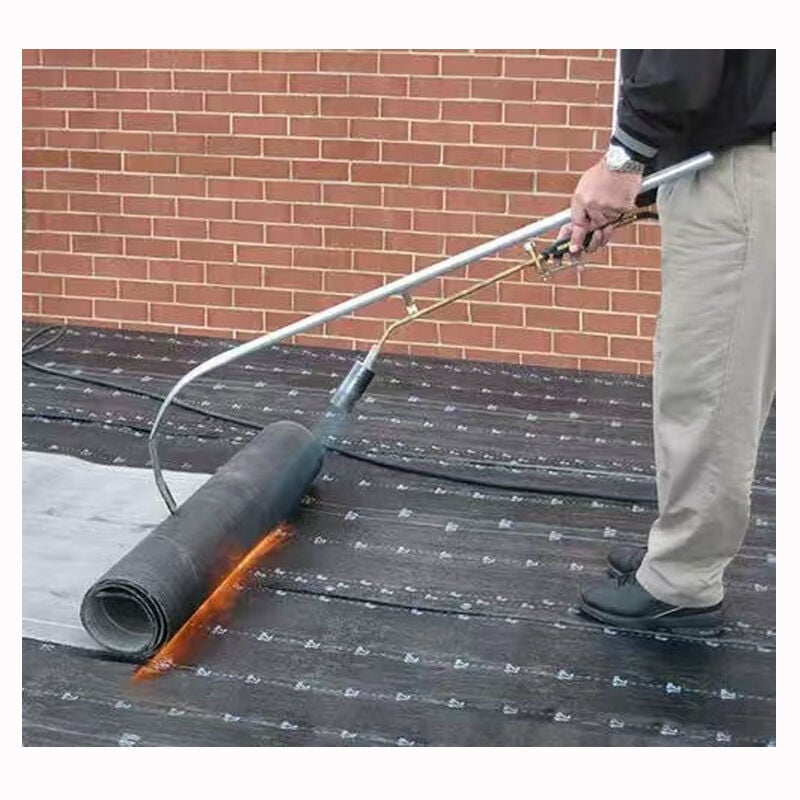
Bitumen waterproofing stands as one of the most reliable and time-tested methods for protecting structures against moisture infiltration and environmental challenges. As buildings and infrastructure face increasingly demanding conditions from climate variations and urban development pressures, understanding how bitumen waterproofing systems respond to moisture and temperature fluctuations becomes crucial for architects, contractors, and facility managers. This comprehensive examination explores the sophisticated mechanisms behind bitumen waterproofing performance and reveals why this technology continues to dominate the construction industry's approach to long-term moisture protection.
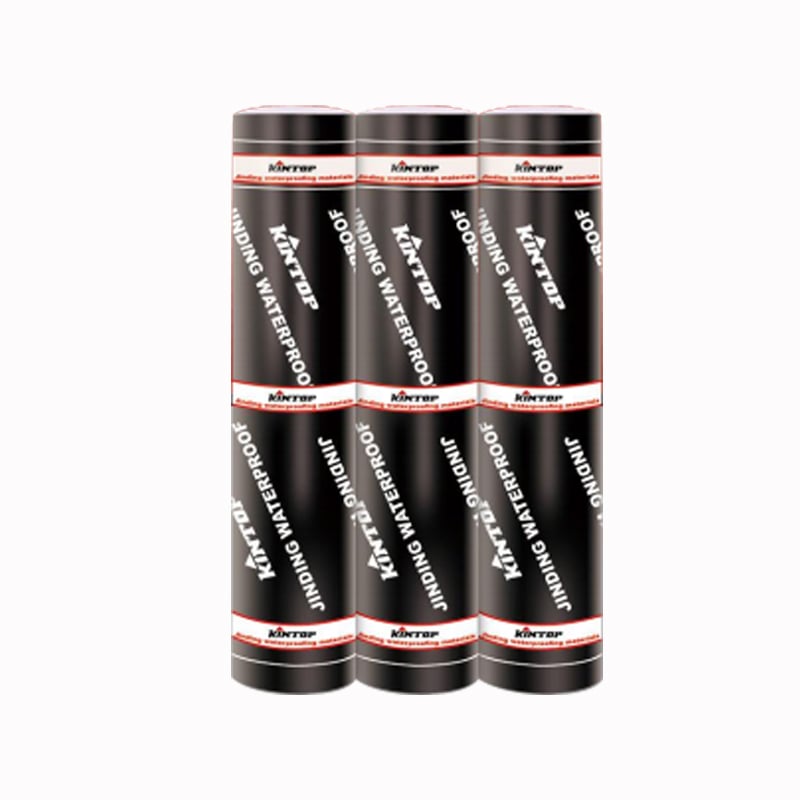
Understanding the Fundamentals of Bitumen Waterproofing Systems
Material Composition and Structural Properties
The effectiveness of bitumen waterproofing lies in its unique molecular structure, which combines asphalt-based compounds with various polymers and reinforcement materials. This composition creates a membrane that exhibits exceptional adhesion properties while maintaining flexibility across a wide range of environmental conditions. Modern bitumen waterproofing systems incorporate advanced polymer modifications that enhance the material's resistance to thermal cycling and moisture absorption, ensuring consistent performance throughout the structure's lifespan.
The manufacturing process involves carefully controlled heating and blending techniques that optimize the bitumen's viscosity and elasticity characteristics. These properties directly influence how the material responds to external stresses, including temperature variations and hydrostatic pressure from accumulated moisture. Professional-grade bitumen waterproofing products undergo rigorous testing to verify their ability to maintain structural integrity under extreme conditions, providing specifiers with confidence in their long-term performance capabilities.
Installation Methods and System Integration
Proper installation techniques play a critical role in maximizing the performance potential of bitumen waterproofing systems. The application process requires careful attention to substrate preparation, ambient temperature conditions, and moisture levels to ensure optimal bonding and curing. Experienced contractors understand that bitumen waterproofing performs best when installed according to manufacturer specifications and industry best practices, which include proper overlapping techniques and seam sealing procedures.
System integration considerations extend beyond the membrane itself to include compatible primers, adhesives, and protective layers that work together to create a comprehensive moisture barrier. The synergistic relationship between these components ensures that the bitumen waterproofing system can accommodate structural movement while maintaining its protective capabilities. Advanced installation techniques may incorporate heat welding or cold-applied methods, depending on project requirements and environmental conditions at the time of installation.
Moisture Management and Vapor Transmission Control
Hydrostatic Pressure Resistance
One of the most demanding challenges facing any waterproofing system involves managing hydrostatic pressure from groundwater or accumulated surface moisture. Bitumen waterproofing excels in this application due to its inherent ability to create a continuous, impermeable barrier that distributes pressure loads across the entire membrane surface. The material's flexibility allows it to conform to substrate irregularities while maintaining its structural integrity under sustained pressure conditions.
The molecular structure of modified bitumen includes long-chain polymers that provide exceptional tensile strength and elongation properties. These characteristics enable the material to withstand significant hydrostatic forces without developing cracks or separation points that could compromise the waterproof barrier. Professional testing demonstrates that properly installed bitumen waterproofing can resist hydrostatic pressures exceeding industry standards while maintaining its protective function over extended periods.
Vapor Permeability and Breathability Characteristics
Modern bitumen waterproofing systems incorporate sophisticated vapor management technologies that allow controlled moisture transmission while preventing liquid water penetration. This selective permeability helps prevent moisture accumulation within building assemblies that could lead to condensation problems or structural deterioration. The breathable nature of advanced bitumen formulations ensures that trapped moisture can escape gradually without compromising the membrane's waterproof integrity.
Understanding vapor transmission rates becomes particularly important in applications where interior humidity levels may vary significantly throughout the year. bitumen waterproofing systems designed for these demanding environments incorporate precise vapor permeability controls that balance moisture management with waterproof performance. This careful balance prevents both water intrusion and vapor barrier problems that could compromise indoor air quality or structural durability.
Temperature Performance and Thermal Cycling Response
Low Temperature Flexibility and Cold Weather Performance
Cold weather conditions present unique challenges for waterproofing materials, as many systems become brittle and prone to cracking when temperatures drop significantly below freezing. Bitumen waterproofing systems address this challenge through polymer modification techniques that maintain flexibility at extremely low temperatures. Advanced formulations can maintain their elastic properties at temperatures well below those that would cause conventional materials to fail catastrophically.
The low-temperature performance of bitumen waterproofing depends largely on the specific polymer additives incorporated during manufacturing. SBS (styrene-butadiene-styrene) modified bitumen, for example, provides exceptional cold weather flexibility that allows the membrane to accommodate thermal movement without developing stress fractures. This capability proves essential in geographic regions that experience severe winter conditions or dramatic daily temperature variations that could stress conventional waterproofing systems beyond their design limits.
High Temperature Stability and Heat Resistance
Exposure to elevated temperatures from solar radiation or mechanical equipment requires waterproofing materials that can maintain their protective properties without softening or degrading. Bitumen waterproofing incorporates stabilizing compounds that prevent thermal breakdown and maintain dimensional stability even during extended exposure to high temperatures. The material's heat resistance ensures that surface temperatures exceeding normal ambient conditions will not compromise the membrane's performance or longevity.
Advanced bitumen formulations include UV-resistant additives and reflective surface treatments that help minimize heat absorption and reduce thermal stress on the waterproof barrier. These enhancements extend the service life of bitumen waterproofing systems in challenging environments where traditional materials might experience premature aging or failure. Temperature cycling tests demonstrate that quality bitumen products can withstand thousands of heating and cooling cycles without significant degradation of their waterproof properties.
Long-Term Durability and Performance Characteristics
Aging Resistance and Weather Durability
The long-term effectiveness of bitumen waterproofing depends on its ability to resist environmental factors that contribute to material degradation over time. Modern formulations incorporate antioxidants and UV stabilizers that protect the polymer matrix from oxidative breakdown and photochemical deterioration. These protective additives ensure that the material maintains its flexibility and adhesion properties throughout its intended service life, even under continuous exposure to harsh environmental conditions.
Weather resistance testing reveals that properly formulated bitumen waterproofing can withstand decades of exposure to temperature extremes, moisture cycling, and UV radiation without significant loss of performance. The material's inherent stability derives from its crosslinked polymer structure, which resists chemical breakdown and maintains its protective characteristics despite ongoing environmental stresses. This durability translates into lower lifecycle costs and reduced maintenance requirements compared to alternative waterproofing technologies.
Chemical Resistance and Environmental Compatibility
Chemical exposure from industrial processes, vehicle emissions, or atmospheric pollutants can compromise waterproofing materials that lack adequate resistance properties. Bitumen waterproofing demonstrates excellent chemical stability when exposed to common environmental contaminants, including acid rain, salt spray, and petroleum-based substances. The material's nonpolar molecular structure provides inherent resistance to many chemicals that could attack other membrane types.
Environmental compatibility considerations extend beyond chemical resistance to include the material's impact on indoor air quality and sustainable building practices. Modern bitumen waterproofing products meet stringent emission standards and contribute to healthy indoor environments while providing superior moisture protection. The recyclability of bitumen materials also supports sustainable construction practices and reduces the environmental impact of building maintenance and renovation projects.
Application-Specific Performance Benefits
Foundation and Below-Grade Applications
Below-grade waterproofing applications demand materials that can withstand soil pressures, groundwater contact, and limited accessibility for future maintenance. Bitumen waterproofing excels in these challenging environments due to its ability to create seamless, monolithic barriers that conform to complex foundation geometries. The material's self-healing properties help maintain waterproof integrity even when subjected to minor substrate movement or settling that might compromise rigid membrane systems.
Foundation waterproofing success depends on proper system design that addresses drainage, protection, and long-term performance requirements. Bitumen waterproofing systems can be configured with various protection layers and drainage components that enhance overall system performance while ensuring adequate protection against mechanical damage during backfilling operations. The proven track record of bitumen in foundation applications demonstrates its reliability in some of the most demanding waterproofing environments.
Roofing and Above-Grade Installations
Rooftop applications expose waterproofing materials to the full range of environmental stresses, including UV radiation, thermal cycling, and weather extremes. Bitumen waterproofing addresses these challenges through specialized surface treatments and reinforcement systems that enhance durability while maintaining flexibility. The material's ability to accommodate structural movement makes it particularly suitable for buildings that experience significant thermal expansion or seismic activity.
Modern roof applications often incorporate bitumen waterproofing as part of comprehensive building envelope systems that address both moisture protection and energy efficiency requirements. The material's compatibility with insulation systems and vapor barriers allows designers to create integrated solutions that optimize building performance while ensuring long-term waterproof reliability. Advanced installation techniques enable bitumen systems to provide decades of maintenance-free service in demanding roofing environments.
FAQ
How does bitumen waterproofing perform in extreme temperature conditions
Bitumen waterproofing maintains its protective properties across a wide temperature range through polymer modification techniques that enhance flexibility at low temperatures and stability at high temperatures. Modern formulations can operate effectively from -40°F to over 180°F while maintaining their waterproof integrity and adhesion characteristics. The material's thermal cycling resistance ensures reliable performance despite daily and seasonal temperature variations that could stress other membrane types.
What makes bitumen waterproofing effective against moisture infiltration
The effectiveness of bitumen waterproofing against moisture comes from its ability to form a continuous, impermeable barrier with excellent adhesion to various substrates. The material's molecular structure prevents liquid water penetration while allowing controlled vapor transmission that prevents moisture accumulation problems. Its flexibility allows accommodation of structural movement without creating leak paths, ensuring long-term moisture protection even under challenging conditions.
How long can bitumen waterproofing systems last in typical applications
Properly installed bitumen waterproofing systems can provide reliable protection for 20-30 years or more, depending on environmental conditions and application specifics. The material's resistance to aging, UV degradation, and chemical exposure contributes to its longevity, while its self-healing properties help maintain performance despite minor substrate movement. Regular inspection and maintenance can extend service life even further, making bitumen an economical choice for long-term waterproof protection.
Can bitumen waterproofing handle both positive and negative hydrostatic pressure
Yes, bitumen waterproofing can effectively manage both positive and negative hydrostatic pressure conditions when properly designed and installed. The material's tensile strength and elongation properties enable it to resist pressure from either direction while maintaining its waterproof seal. Proper system design must account for the specific pressure conditions and may require additional reinforcement or protection layers to optimize performance under extreme hydrostatic loads.