 EN
EN

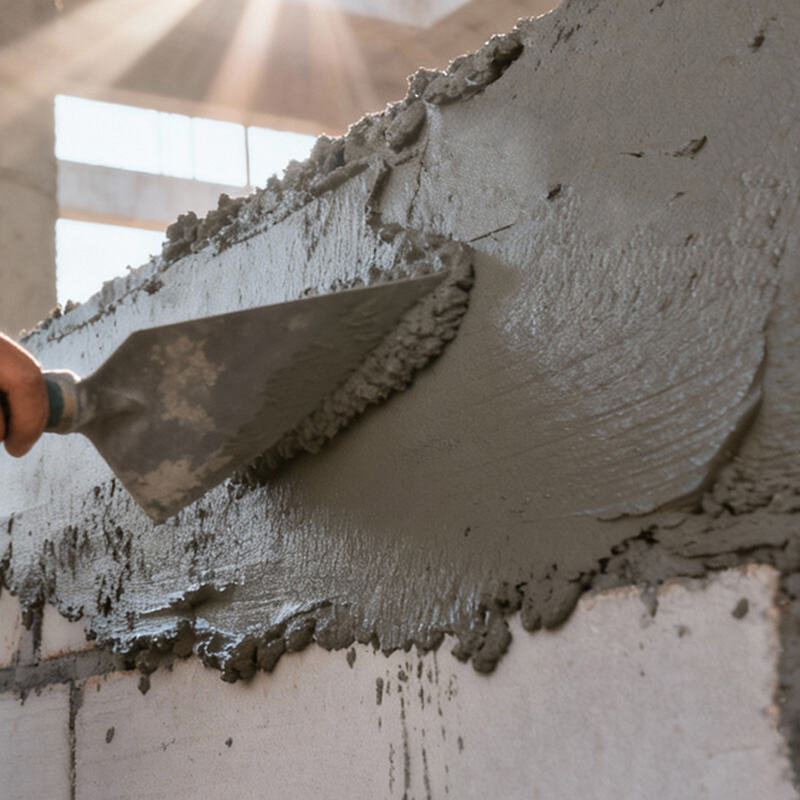
Selecting the right waterproof mortar is crucial for ensuring long-lasting construction and repair projects. Whether you're working on residential foundations, commercial buildings, or infrastructure repairs, understanding the properties and applications of waterproof mortar can make the difference between a successful project and costly failures. This comprehensive guide will help you navigate the complex world of waterproof mortar selection, covering everything from basic composition to advanced application techniques.
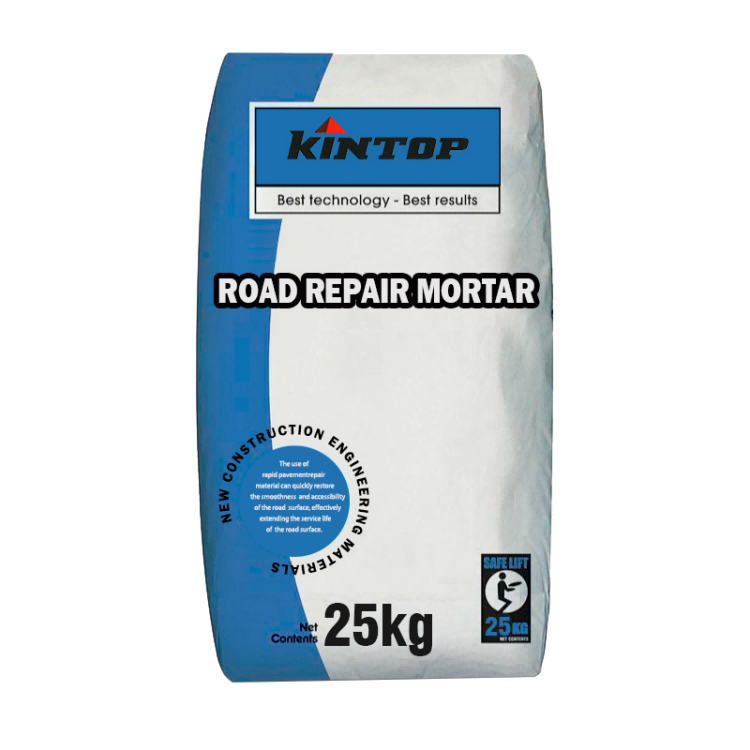
Understanding Waterproof Mortar Fundamentals
Composition and Chemical Properties
Waterproof mortar combines traditional cement-based materials with specialized additives that enhance water resistance. The primary components include Portland cement, sand aggregates, and proprietary waterproofing agents such as crystalline admixtures or polymer modifications. These chemical enhancements create a dense matrix that prevents water penetration while maintaining structural integrity. The waterproofing mechanism works by either filling microscopic pores within the cement paste or by creating a hydrophobic barrier that repels water molecules.
Modern waterproof mortar formulations often incorporate silica fume, fly ash, or other pozzolanic materials to improve durability and reduce permeability. These supplementary cementitious materials react with calcium hydroxide produced during cement hydration, forming additional binding compounds that strengthen the overall structure. Understanding these fundamental properties helps contractors and engineers make informed decisions when selecting waterproof mortar for specific applications.
Performance Characteristics and Standards
Professional-grade waterproof mortar must meet stringent industry standards for water resistance, compressive strength, and durability. Key performance metrics include permeability rates measured in centimeters per second, compressive strength ratings typically ranging from 3000 to 6000 PSI, and freeze-thaw cycle resistance for climate-exposed applications. These specifications ensure that the waterproof mortar can withstand environmental stresses while maintaining its protective properties over extended periods.
Quality waterproof mortar should also demonstrate excellent adhesion to various substrates, including concrete, masonry, and steel surfaces. The bond strength requirements vary depending on the application, but most professional products achieve adhesive strengths exceeding 200 PSI when properly applied. Additionally, the working time and curing characteristics of waterproof mortar must align with project timelines and environmental conditions to ensure successful installation.
Application-Specific Selection Criteria
Structural Repair Applications
When selecting waterproof mortar for structural repairs, consider the specific loading conditions and exposure environment. High-traffic areas such as bridge decks or parking structures require waterproof mortar with enhanced abrasion resistance and rapid strength gain properties. The selected product should match or exceed the compressive strength of the existing structure while providing superior water resistance to prevent further deterioration.
For crack repair applications, the waterproof mortar must possess excellent flow characteristics and self-leveling properties to ensure complete void filling. The material should also demonstrate low shrinkage to prevent new crack formation and maintain long-term structural integrity. Professional contractors often prefer waterproof mortar systems that include primer applications and surface preparation products for comprehensive repair solutions.
New Construction Projects
New construction applications allow for more comprehensive waterproof mortar system design from the foundation level upward. Basement walls, retaining structures, and below-grade applications require waterproof mortar with exceptional hydrostatic pressure resistance. The selected product should integrate seamlessly with other waterproofing components such as membranes, sealants, and drainage systems to create a complete moisture management solution.
Above-grade applications of waterproof mortar in new construction focus on weather resistance and aesthetic compatibility with architectural finishes. The mortar should provide adequate workability for various application methods while maintaining consistent color and texture throughout the project. Compatibility with reinforcement materials, insulation systems, and mechanical fasteners must also be considered during the selection process.
Environmental and Performance Considerations
Climate and Exposure Conditions
Climate conditions significantly impact waterproof mortar performance and selection criteria. Cold weather applications require formulations with antifreeze admixtures or modified curing procedures to ensure proper hydration and strength development. Hot weather conditions may necessitate retarding admixtures or special mixing and placement procedures to prevent premature setting and ensure adequate working time.
Coastal environments present unique challenges for waterproof mortar due to salt spray exposure and high humidity conditions. Marine-grade waterproof mortar formulations include specialized corrosion inhibitors and enhanced chloride resistance to protect embedded reinforcement and maintain long-term durability. These products typically cost more than standard formulations but provide essential protection in aggressive environments.
Industrial applications may expose waterproof mortar to chemical contaminants, elevated temperatures, or mechanical wear that requires specialized product selection. Chemical resistance charts and compatibility testing help determine the most appropriate waterproof mortar formulation for specific industrial environments. Temperature cycling, thermal shock resistance, and dimensional stability become critical factors in these demanding applications.
Substrate Compatibility and Preparation
Successful waterproof mortar applications depend heavily on proper substrate preparation and compatibility assessment. Different base materials such as concrete, masonry, steel, or wood require specific primer systems and surface preparation techniques to achieve optimal bond strength. The waterproof mortar selection must account for substrate porosity, surface texture, and potential contaminants that could interfere with adhesion.
Surface preparation requirements vary significantly between repair and new construction applications. Existing surfaces often require mechanical cleaning, crack sealing, or contamination removal before waterproof mortar application. New construction substrates may need curing compound removal, surface profiling, or moisture content adjustment to ensure proper bonding and performance.
Installation Best Practices and Quality Control
Mixing and Application Techniques
Proper mixing procedures are essential for achieving the designed performance characteristics of waterproof mortar. Most professional-grade products require specific water-to-powder ratios and mixing sequences to ensure complete hydration and uniform distribution of waterproofing agents. Mechanical mixing equipment with adequate capacity and mixing energy ensures consistent batch quality and prevents segregation of components.
Application techniques vary depending on the waterproof mortar formulation and project requirements. Spray applications offer rapid coverage for large areas but require specialized equipment and operator training. Hand application methods provide greater control for detailed work but may result in slower progress rates. The selected application method must align with the waterproof mortar working time and environmental conditions to ensure successful installation.
Quality control during installation includes monitoring ambient conditions, substrate temperature, and mixing parameters to ensure consistent results. Regular testing of fresh and hardened properties helps verify that the waterproof mortar meets specification requirements throughout the project duration. Documentation of installation procedures and test results provides valuable information for warranty compliance and future maintenance planning.
Curing and Protection Procedures
Proper curing is critical for waterproof mortar to achieve its designed strength and waterproofing properties. Moisture retention during the early hydration period ensures complete chemical reactions and optimal pore structure development. Curing compound applications, wet covering systems, or membrane curing methods may be specified depending on environmental conditions and accessibility constraints.
Protection procedures during and after installation prevent damage to the waterproof mortar from weather, construction activities, or premature loading. Temporary weather protection, traffic restrictions, and coordination with other trades help preserve the integrity of the waterproofing system. The duration of protection requirements varies with product formulation and environmental conditions but typically ranges from 24 hours to several days.
Cost Analysis and Project Economics
Material Cost Considerations
Waterproof mortar costs vary significantly based on formulation complexity, performance requirements, and geographic location. Basic polymer-modified products typically cost 20-50% more than standard mortars, while high-performance crystalline or penetrating systems may cost 100-200% more. However, the long-term value proposition often justifies the higher initial cost through reduced maintenance requirements and extended service life.
Quantity requirements and packaging options affect the overall material cost for waterproof mortar projects. Bulk packaging typically offers better unit pricing for large projects, while smaller packages provide convenience and reduce waste for repair applications. Transportation costs, storage requirements, and material handling considerations also impact the total delivered cost of waterproof mortar systems.
Labor and Equipment Factors
Installation complexity and specialized equipment requirements significantly influence the total project cost for waterproof mortar applications. Standard hand application methods minimize equipment costs but may require more labor hours for large projects. Spray application systems increase equipment costs but can dramatically reduce labor requirements and accelerate project completion.
Contractor experience and certification levels affect both installation quality and project costs. Specialized waterproof mortar systems may require factory training or certification programs that add to labor costs but ensure proper installation and warranty compliance. The investment in qualified installation teams typically provides better long-term value through reduced callbacks and warranty claims.
Future Trends and Innovations
Advanced Formulation Technologies
Emerging technologies in waterproof mortar development focus on self-healing capabilities, enhanced durability, and environmental sustainability. Self-healing concrete systems incorporate dormant bacteria or encapsulated healing agents that activate when cracks form, automatically sealing minor defects and extending service life. These innovative waterproof mortar formulations represent the cutting edge of construction materials technology.
Nanotechnology applications in waterproof mortar include nano-silica additions for enhanced strength and reduced permeability, as well as nano-structured waterproofing agents that provide superior performance with minimal environmental impact. These advanced materials offer improved long-term performance while reducing the quantity of waterproofing additives required for effective moisture protection.
Sustainability and Environmental Impact
Environmental consciousness drives development of eco-friendly waterproof mortar formulations that reduce carbon footprint and minimize environmental impact. Bio-based waterproofing agents, recycled aggregate systems, and carbon-negative binder technologies represent significant advances in sustainable construction materials. These innovations maintain performance standards while supporting green building initiatives and environmental stewardship.
Life cycle assessment methodologies help evaluate the total environmental impact of waterproof mortar systems from raw material extraction through end-of-life disposal. This comprehensive approach guides material selection decisions that balance performance requirements with environmental responsibility, supporting sustainable construction practices and regulatory compliance.
FAQ
What is the typical service life of waterproof mortar applications
High-quality waterproof mortar systems typically provide 15-25 years of effective service life when properly selected and installed. Factors affecting longevity include exposure conditions, substrate preparation quality, and maintenance practices. Premium formulations with advanced waterproofing technologies may achieve 30-40 years or more in favorable environments, while basic systems in harsh conditions may require renewal after 10-15 years.
How does temperature affect waterproof mortar performance
Temperature significantly impacts both installation and long-term performance of waterproof mortar. Cold weather slows hydration reactions and may require heated materials or extended curing periods. Hot weather accelerates setting and may cause rapid moisture loss, potentially compromising final strength and waterproofing effectiveness. Most waterproof mortar products perform optimally when installed at temperatures between 40-80°F with appropriate precautions for extreme conditions.
Can waterproof mortar be applied over existing waterproofing systems
Application of waterproof mortar over existing waterproofing systems requires careful evaluation of compatibility and adhesion characteristics. Some membrane systems may require removal or special primer treatment to ensure proper bonding. Crystalline waterproof mortar systems generally bond well to clean concrete substrates but may not adhere effectively to organic coatings or sealers without proper surface preparation.
What quality control testing should be performed during waterproof mortar installation
Essential quality control testing includes compressive strength cylinders, bond strength pull-off tests, and water penetration resistance verification. Fresh concrete testing covers slump, air content, and setting time measurements to ensure proper mixing and placement. Field curing conditions should be monitored and documented, with representative samples tested at specified ages to verify that the waterproof mortar meets project specifications and performance requirements.