 EN
EN

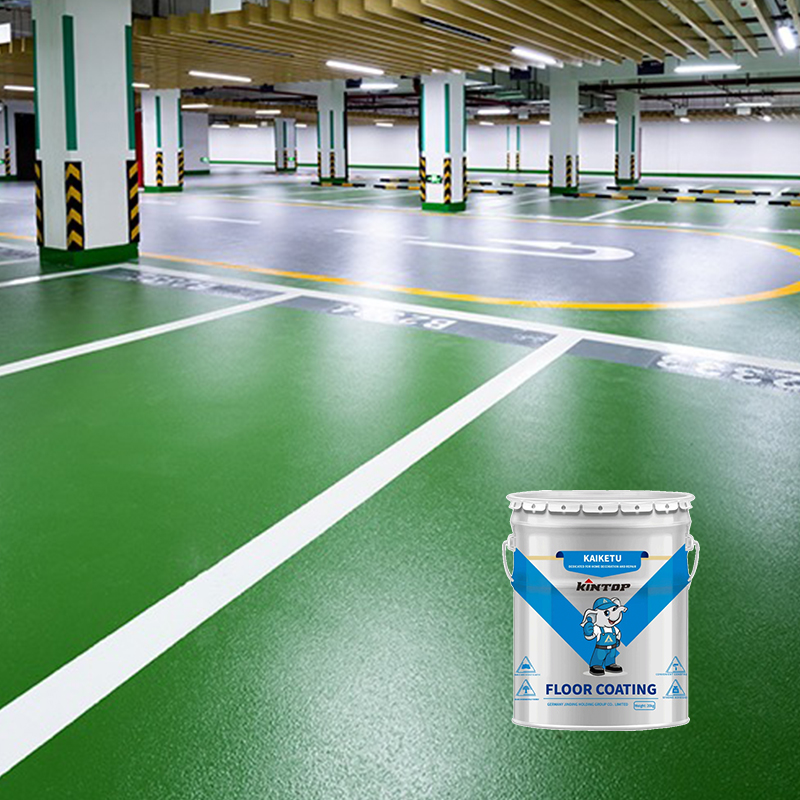
Selecting the appropriate floor paint for your specific surface type is a critical decision that affects both the durability and appearance of your flooring project. Whether you're working with concrete, wood, or tile surfaces, understanding the unique requirements and characteristics of each material will help you achieve professional results that last for years. The right floor paint not only enhances the aesthetic appeal of your space but also provides essential protection against wear, moisture, and chemical damage.
Modern floor paint formulations have evolved significantly, offering specialized solutions for different substrates and environmental conditions. From high-traffic commercial areas to residential garages and basement floors, the variety of available options can seem overwhelming. However, by focusing on key factors such as surface preparation requirements, chemical resistance, and expected foot traffic, you can narrow down your choices to find the perfect coating system for your project.
Understanding Concrete Floor Paint Requirements
Surface Preparation for Concrete Applications
Concrete surfaces present unique challenges that require specific preparation techniques before applying floor paint. The porous nature of concrete means that proper surface preparation is absolutely crucial for achieving optimal adhesion and longevity. Begin by thoroughly cleaning the concrete surface to remove any oil stains, dirt, or existing coatings that could interfere with paint adhesion.
Etching the concrete surface creates the necessary profile for mechanical adhesion of your floor paint system. Use muriatic acid or specialized concrete etching products to open up the pores and create a slightly rough texture. This process is essential because smooth concrete surfaces often result in poor paint adhesion and premature failure of the coating system.
Moisture Control in Concrete Substrates
Moisture vapor transmission through concrete slabs can cause significant problems with floor paint applications. Before proceeding with your project, conduct a moisture test using plastic sheeting or calcium chloride test kits to determine if excessive moisture is present. High moisture levels can cause the floor paint to blister, peel, or fail completely within a short time after application.
If moisture issues are detected, consider using a moisture-blocking primer or vapor barrier system before applying your topcoat. Some modern floor paint formulations include moisture-tolerant properties, but it's always better to address the root cause of moisture problems rather than relying solely on paint technology to solve the issue.
Wood Floor Paint Selection and Application
Choosing Compatible Coatings for Wood Substrates
Wood floors require floor paint formulations that can accommodate the natural expansion and contraction of the substrate. Traditional latex and oil-based paints may crack or peel when applied to wood surfaces that experience temperature and humidity fluctuations. Instead, look for flexible coating systems specifically designed for wooden substrates.
The type of wood also influences your floor paint selection. Softwoods like pine contain resins that can bleed through certain paint types, requiring the use of stain-blocking primers. Hardwoods generally accept paint more readily but may still require specific surface preparation techniques to ensure proper adhesion and uniform coverage.
Surface Preparation Techniques for Wood Floors
Proper sanding is essential when preparing wood floors for paint application. Start with coarse-grit sandpaper to remove any existing finish and create a uniform surface profile. Progress through increasingly fine grits until you achieve a smooth, even texture that will accept the floor paint evenly without visible brush marks or roller patterns.
Pay special attention to grain raising, which occurs when water-based floor paint formulations cause wood fibers to swell. Light sanding between coats helps maintain a smooth finish and prevents the development of a rough texture that can trap dirt and make the floor difficult to clean and maintain over time.
Tile Surface Coating Considerations
Adhesion Challenges with Ceramic and Porcelain Tiles
Tile surfaces present the greatest adhesion challenges for floor paint applications due to their non-porous, glazed surfaces. Standard paint formulations simply cannot achieve adequate mechanical adhesion to smooth tile surfaces, making specialized products and techniques necessary for successful results. The key is understanding that tile painting is more about chemical adhesion than mechanical bonding.
Specialty floor paint products designed for tile applications contain advanced adhesion promoters that create strong chemical bonds with glazed surfaces. These formulations often require specific application conditions, including temperature and humidity ranges, to achieve their full bonding potential with the tile substrate.
Grout Line Treatment and Uniformity
The texture difference between smooth tile surfaces and porous grout lines creates application challenges that must be addressed during the floor paint selection process. Grout lines typically absorb more paint than the adjacent tiles, potentially creating an uneven appearance unless proper techniques are employed during application.
Consider using a high-build floor paint system that can bridge minor surface irregularities and create a uniform appearance across both tile and grout areas. Multiple thin coats often produce better results than attempting to achieve coverage with a single heavy application, especially when working with textured or uneven tile installations.
Environmental and Performance Factors
Chemical Resistance Requirements
Different environments expose floor paint to various chemicals that can cause degradation, discoloration, or complete coating failure. Industrial facilities may require floor paint with resistance to acids, alkalis, or solvents, while residential applications might only need protection against common household cleaners and spills.
Epoxy-based floor paint systems generally offer superior chemical resistance compared to conventional latex or oil-based alternatives. However, they may be overkill for light-duty residential applications where cost considerations make simpler formulations more practical. Evaluate your specific chemical exposure risks before making your final floor paint selection.
Traffic Load and Wear Resistance
The expected traffic load significantly influences floor paint selection and system design. High-traffic areas require more durable formulations with enhanced wear resistance, while low-traffic spaces can often use less expensive coating systems without sacrificing performance or longevity.
Consider factors such as wheeled traffic, heavy equipment loads, and abrasive materials when evaluating floor paint options. Some formulations include special additives like aluminum oxide or polymer beads that enhance slip resistance and durability in demanding applications. The initial investment in higher-performance floor paint often pays for itself through reduced maintenance costs and extended service life.
Application Methods and Timing
Tool Selection for Different Paint Types
The application method significantly affects the final appearance and performance of your floor paint project. Roller application works well for most residential projects and provides good control over film thickness, while spray application may be more efficient for large commercial areas but requires specialized equipment and expertise.
Brush application is typically reserved for detail work around edges and obstacles, though some specialty floor paint formulations may require brush application for optimal results. The paint manufacturer's technical data sheet should specify recommended application methods and tools for best results with their specific floor paint formulation.
Curing Time and Environmental Conditions
Floor paint curing times vary significantly based on formulation type, environmental conditions, and substrate characteristics. Temperature and humidity levels during application and curing directly affect the final properties of the coating system. Most floor paint products perform best when applied within specific temperature ranges, typically between 50-85°F with relative humidity below 85%.
Allow adequate curing time before subjecting the floor paint to normal traffic loads. While the surface may feel dry to the touch within hours, full chemical cure often takes several days to complete. Premature loading can cause permanent damage to the coating system, resulting in poor durability and appearance issues that may not be immediately apparent.
FAQ
How long does floor paint typically last on different surfaces
Floor paint longevity varies significantly based on the substrate type and environmental conditions. On properly prepared concrete surfaces, high-quality floor paint can last 3-7 years in residential applications and 2-5 years in commercial settings. Wood floors typically see 2-4 years of service life, while tile applications may last 1-3 years due to adhesion challenges. Regular maintenance and proper surface preparation significantly extend these timeframes.
Can I apply floor paint over existing coatings
Applying floor paint over existing coatings is possible but requires careful evaluation of the existing finish. The old coating must be firmly adhered, compatible with the new floor paint chemistry, and properly prepared through cleaning and light sanding. In many cases, complete removal of the old coating provides better long-term results, especially when switching between different paint types or when the existing coating shows signs of failure.
What safety precautions should I take when applying floor paint
Safety precautions for floor paint application include ensuring adequate ventilation to prevent solvent vapor buildup, wearing appropriate respiratory protection when recommended by the manufacturer, and using non-slip footwear to prevent falls on wet surfaces. Always read and follow the material safety data sheet provided with your floor paint product, and consider the fire hazard potential of solvent-based formulations during application and curing.
How do I maintain painted floors for maximum longevity
Maintaining painted floors involves regular cleaning with compatible products that won't damage the floor paint film, prompt cleanup of spills to prevent staining or chemical damage, and periodic inspection for signs of wear or damage that require touch-up. Avoid harsh abrasives and strong solvents that can damage the coating, and consider applying a maintenance coat every few years to refresh the appearance and protective properties of your floor paint system.