 EN
EN
Commercial building maintenance represents one of the largest ongoing expenses for property owners and facility managers. Among the various maintenance challenges, sealing and weatherproofing issues frequently contribute to escalating costs through water damage, energy inefficiency, and structural deterioration. Understanding how high-quality sealants can dramatically reduce these maintenance expenses while extending building lifespan is crucial for making informed decisions about construction materials and preventive maintenance strategies.
The strategic application of professional-grade sealants creates protective barriers that prevent moisture infiltration, air leakage, and thermal bridging. These seemingly minor issues can compound over time, leading to significant structural damage, mold growth, and energy waste that requires expensive remediation. By investing in proper sealing solutions during construction or renovation phases, building owners can avoid these costly problems while maintaining optimal indoor environmental conditions.
Understanding Sealant Technology and Building Protection
Material Science Behind Modern Sealants
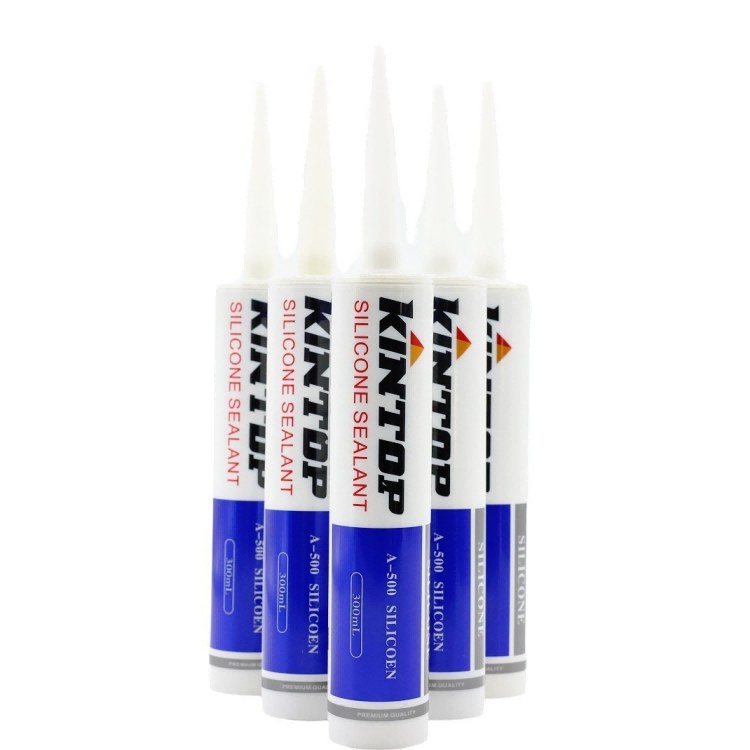
Contemporary sealant formulations have evolved significantly from traditional materials, incorporating advanced polymer chemistry to deliver superior performance characteristics. Modern neutral silicone sealant products offer exceptional adhesion properties, UV resistance, and temperature stability that far exceed conventional alternatives. These technological improvements translate directly into reduced maintenance frequency and lower long-term costs for building owners.
The molecular structure of advanced sealants allows for flexibility and durability under varying environmental conditions. Unlike rigid materials that crack under thermal expansion and contraction, high-quality sealants maintain their integrity while accommodating building movement. This flexibility prevents the formation of gaps that would otherwise allow water and air infiltration, eliminating the need for frequent reapplication and associated labor costs.
Performance Characteristics That Impact Maintenance
Longevity stands as the primary factor determining maintenance cost reduction through proper sealant selection. Professional-grade formulations typically offer service lives ranging from fifteen to twenty-five years under normal conditions, compared to lower-quality alternatives that may require replacement every five to seven years. This extended service life dramatically reduces the frequency of maintenance interventions and associated disruption to building operations.
Weather resistance capabilities directly influence maintenance requirements by determining how well sealants withstand environmental stresses. Superior UV protection prevents degradation from solar exposure, while excellent temperature stability maintains performance across seasonal variations. These characteristics ensure consistent protection without the gradual deterioration that necessitates premature replacement in inferior products.
Water Damage Prevention and Cost Avoidance
Moisture Infiltration Control Systems
Water intrusion represents one of the most destructive and expensive problems in commercial building maintenance. Effective sealing systems create multiple lines of defense against moisture penetration, preventing damage to structural elements, insulation systems, and interior finishes. The cost of addressing water damage often exceeds the initial investment in quality sealants by factors of ten to twenty, making prevention through proper sealing an economically compelling strategy.
Professional application of neutral silicone sealant in critical areas such as window perimeters, expansion joints, and curtain wall systems eliminates vulnerable penetration points. These applications must be executed with precision to ensure complete coverage and proper adhesion to substrate materials. When properly installed, these sealed systems can prevent millions of dollars in potential water damage over the building's operational lifetime.
Structural Preservation Through Moisture Management
Chronic moisture exposure accelerates the deterioration of building materials, leading to premature replacement requirements and structural integrity concerns. Steel components suffer from accelerated corrosion when exposed to moisture, while concrete experiences freeze-thaw damage and reinforcement corrosion that compromises load-bearing capacity. Effective sealant applications protect these critical structural elements by maintaining dry conditions within building assemblies.
The prevention of moisture-related deterioration extends building service life significantly, deferring major capital expenditures for structural repairs or replacement. This preservation effect compounds over time, as buildings maintained in dry conditions experience slower degradation rates across all systems. The result is a substantial reduction in lifecycle maintenance costs and improved return on investment for building owners.
Energy Efficiency and Operational Cost Reduction
Air Leakage Control and HVAC Optimization
Uncontrolled air infiltration forces HVAC systems to work harder to maintain desired interior conditions, resulting in increased energy consumption and higher utility costs. Strategic sealing of building envelope penetrations eliminates these energy losses while reducing the workload on mechanical systems. The energy savings from proper air sealing can amount to fifteen to thirty percent of total HVAC operating costs in commercial buildings.
Comprehensive air sealing programs that utilize appropriate sealant materials create measurable improvements in building performance metrics. These improvements include reduced peak demand loads, more stable interior conditions, and extended equipment life due to reduced cycling. The cumulative effect of these benefits generates substantial operational savings that often justify the initial investment in quality sealing materials within two to three years.
Thermal Bridge Elimination and Insulation Protection
Thermal bridging through unsealed connections allows heat transfer that bypasses insulation systems, reducing their effectiveness and increasing energy consumption. Proper sealant application eliminates these thermal shortcuts while protecting insulation materials from moisture damage that would compromise their performance. This protection maintains the designed thermal performance of building assemblies throughout their intended service life.
The preservation of insulation effectiveness through moisture protection prevents the need for premature replacement due to water damage or mold contamination. Wet insulation loses its thermal resistance properties and may require complete removal and replacement, representing a significant maintenance expense. Quality sealing systems prevent these problems while maintaining optimal energy performance over extended periods.
Preventive Maintenance Strategy Implementation
Proactive Sealing Programs
Implementing systematic preventive maintenance programs that include regular sealant inspection and replacement schedules can dramatically reduce emergency repair costs. These programs identify potential problems before they develop into major issues, allowing for planned maintenance that costs significantly less than emergency interventions. The predictable nature of scheduled maintenance also enables better budget planning and resource allocation for facility management teams.
Professional maintenance programs typically include annual inspections of critical sealed joints, with replacement schedules based on sealant type and exposure conditions. Neutral silicone sealant applications in high-stress environments may require attention every ten to fifteen years, while protected applications can often exceed twenty-year service intervals. This predictability allows for accurate lifecycle cost planning and budget allocation.
Quality Control and Application Standards
The effectiveness of sealant systems depends heavily on proper installation techniques and quality control measures during application. Professional installation ensures adequate surface preparation, correct material selection, and proper curing conditions that maximize sealant performance and longevity. These quality control measures prevent premature failures that would necessitate costly remedial work and associated building disruption.
Establishing clear application standards and requiring certified installers for critical sealing work ensures consistent results and reduces the likelihood of maintenance issues. These standards should specify surface preparation requirements, environmental conditions for installation, and inspection criteria for completed work. Adherence to these standards typically reduces callback rates and warranty claims by seventy to eighty percent compared to uncontrolled installations.
Long-term Economic Benefits and ROI Analysis
Lifecycle Cost Optimization
The true economic value of quality sealant systems becomes apparent through lifecycle cost analysis that considers initial investment, maintenance requirements, energy savings, and avoided repair costs. When evaluated over twenty to thirty-year periods, high-performance sealants typically deliver return on investment ratios exceeding five to one compared to lower-quality alternatives. These returns result from reduced maintenance frequency, energy savings, and avoided damage costs.
Lifecycle cost models demonstrate that the higher initial cost of premium sealant materials represents a small fraction of total building ownership costs while delivering disproportionate benefits in maintenance reduction. This economic advantage becomes more pronounced over time as the cumulative effects of prevention compound, while buildings sealed with inferior materials experience accelerating maintenance requirements and associated costs.
Property Value Enhancement and Market Positioning
Buildings maintained with high-quality sealing systems demonstrate superior performance characteristics that enhance market value and tenant satisfaction. These properties typically command higher rental rates and experience lower vacancy periods due to their reputation for reliability and energy efficiency. The market recognition of well-maintained buildings creates additional economic value beyond direct cost savings from reduced maintenance requirements.
Professional property management companies increasingly recognize the competitive advantage of buildings with comprehensive preventive maintenance programs that include quality sealing systems. These properties consistently outperform comparable buildings in tenant retention, operating cost efficiency, and capital appreciation. The market premium for well-maintained properties often exceeds the incremental investment in quality materials and professional maintenance by substantial margins.
FAQ
What types of commercial buildings benefit most from professional sealant applications
High-rise office buildings, healthcare facilities, educational institutions, and manufacturing facilities experience the greatest maintenance cost reductions from professional sealing systems. These building types face significant exposure to environmental conditions while requiring consistent interior environments for operational effectiveness. The large scale of these facilities amplifies both the potential problems from inadequate sealing and the cost savings from proper implementation.
How often should commercial building sealants be inspected and maintained
Annual visual inspections should identify obvious problems, while comprehensive evaluations every three to five years provide detailed assessment of sealant condition and performance. Critical applications such as structural glazing or below-grade waterproofing may require more frequent professional evaluation. The inspection frequency should account for building age, environmental exposure, and sealant type to optimize maintenance timing and cost effectiveness.
What factors determine the expected service life of commercial building sealants
Environmental exposure conditions, substrate preparation quality, installation workmanship, and sealant chemistry all influence service life expectations. UV exposure, temperature cycling, and moisture exposure represent the most significant environmental factors affecting longevity. Proper surface preparation and professional installation can extend service life by fifty to one hundred percent compared to substandard applications, making quality control essential for maximizing investment returns.
How do energy savings from proper sealing compare to maintenance cost reductions
Energy savings typically provide immediate and ongoing returns that often equal or exceed maintenance cost reductions over the first decade of building operation. However, maintenance cost avoidance becomes increasingly significant over time as buildings age and potential problems compound. The combination of energy savings and maintenance reduction creates synergistic benefits that substantially improve overall building economics and operational efficiency throughout the building lifecycle.
Table of Contents
- Understanding Sealant Technology and Building Protection
- Water Damage Prevention and Cost Avoidance
- Energy Efficiency and Operational Cost Reduction
- Preventive Maintenance Strategy Implementation
- Long-term Economic Benefits and ROI Analysis
-
FAQ
- What types of commercial buildings benefit most from professional sealant applications
- How often should commercial building sealants be inspected and maintained
- What factors determine the expected service life of commercial building sealants
- How do energy savings from proper sealing compare to maintenance cost reductions