 EN
EN
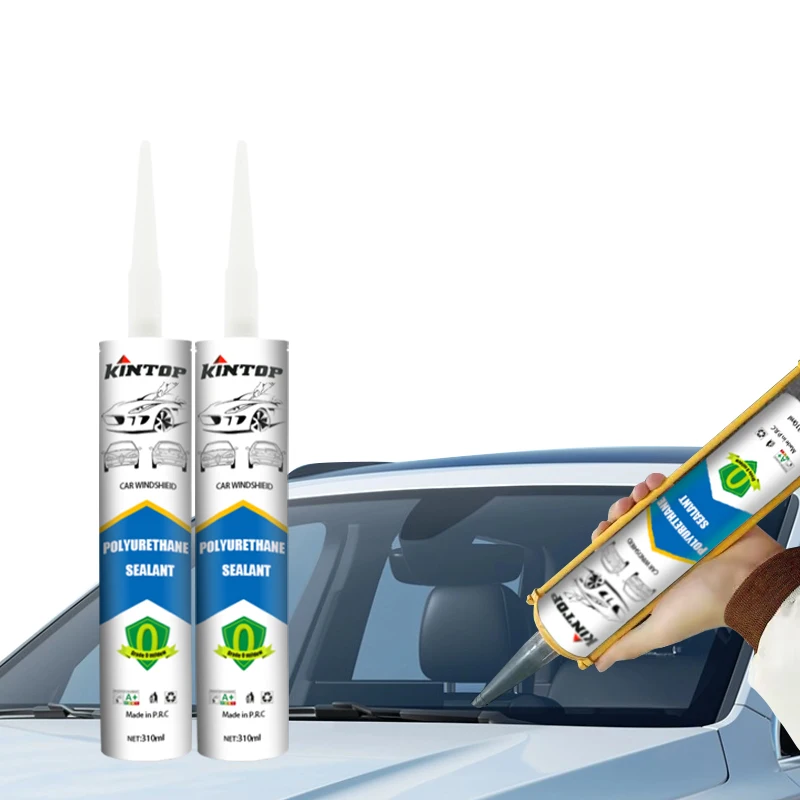
Modern construction demands advanced sealing solutions that can withstand environmental challenges while maintaining structural integrity over extended periods. High-performance sealants have revolutionized the building industry by providing superior protection against moisture, air infiltration, and thermal movement. These specialized compounds serve as critical barriers that prevent water damage, reduce energy consumption, and ensure occupant safety throughout a building's lifespan. Understanding the role of premium sealing materials in construction helps architects, contractors, and property owners make informed decisions that enhance both durability and performance.
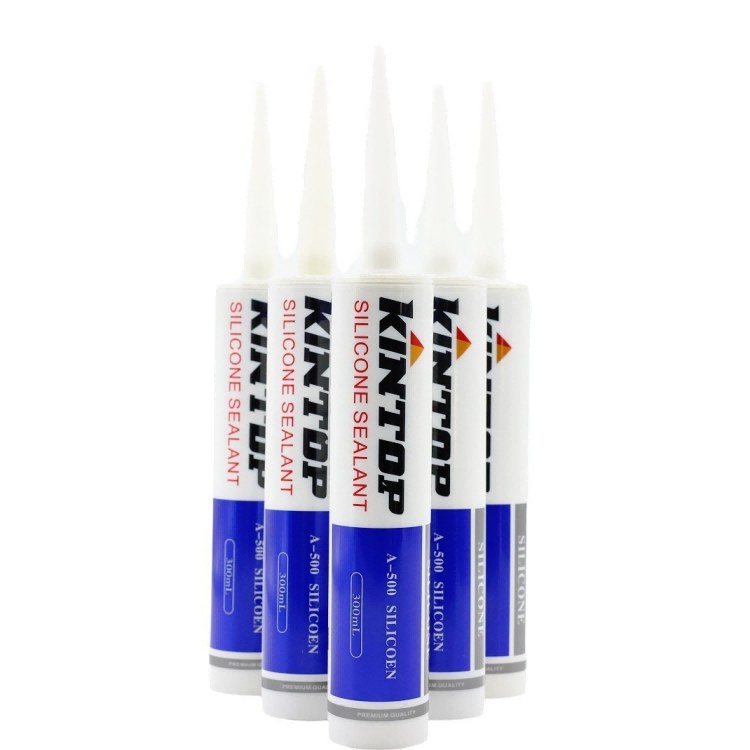
Understanding Advanced Sealant Technologies
Chemical Composition and Performance Characteristics
High-performance sealants incorporate advanced polymer chemistry to deliver exceptional adhesion, flexibility, and weather resistance. These formulations typically feature cross-linked molecular structures that maintain elasticity across wide temperature ranges while resisting UV degradation and chemical exposure. The molecular design allows these materials to accommodate structural movement without compromising seal integrity, making them ideal for dynamic building applications where thermal expansion and contraction occur regularly.
Professional-grade sealants often contain specialized additives that enhance specific performance attributes such as fire resistance, antimicrobial properties, or electrical conductivity. These enhanced formulations address unique application requirements in healthcare facilities, industrial environments, and high-security installations where standard sealing materials may prove inadequate for long-term performance.
Application Versatility and Compatibility
Modern sealing technologies demonstrate remarkable compatibility with diverse substrate materials including glass, metal, concrete, and composite panels. This versatility enables architects to specify unified sealing systems across mixed-material assemblies without compromising performance or aesthetic continuity. Advanced neutral silicone sealant formulations exhibit excellent adhesion to non-porous surfaces while remaining compatible with sensitive substrates that might be damaged by acidic or basic curing systems.
The compatibility extends beyond substrate adhesion to include interaction with adjacent building materials such as weatherstripping, insulation, and structural glazing compounds. This comprehensive compatibility reduces the risk of material degradation and ensures optimal performance across integrated building envelope systems.
Moisture Management and Water Infiltration Prevention
Primary Weather Barrier Protection
Effective moisture management represents a fundamental requirement for building longevity, and high-performance sealants provide the primary defense against water infiltration through building envelope penetrations. These materials create continuous waterproof barriers around windows, doors, curtain wall systems, and mechanical penetrations where traditional construction methods leave vulnerable gaps. The elastomeric properties of premium sealants allow them to maintain watertight seals even as building components shift due to settling, thermal movement, or wind loads.
Water infiltration through compromised seals can cause extensive structural damage including wood rot, metal corrosion, insulation degradation, and mold growth within wall cavities. Professional-grade sealing systems prevent these costly problems by maintaining reliable barriers that redirect water away from vulnerable building components while allowing controlled vapor transmission where necessary.
Vapor Permeability and Breathability
Advanced sealant technologies balance water exclusion with controlled vapor transmission to prevent moisture accumulation within building assemblies. This selective permeability allows water vapor generated by occupant activities or construction moisture to escape while blocking liquid water penetration from exterior weather exposure. The controlled breathability prevents pressure buildup that could compromise seal integrity or cause building materials to degrade prematurely.
Neutral silicone sealant formulations typically offer optimal vapor permeability characteristics that support healthy building envelope performance without sacrificing weather protection. This balance becomes particularly important in energy-efficient buildings where reduced air exchange rates might otherwise trap moisture within wall systems.
Thermal Performance and Energy Efficiency
Air Leakage Control and Insulation Continuity
High-performance sealants play a crucial role in achieving building energy efficiency by eliminating air leakage paths that bypass insulation systems. Even small gaps around windows, doors, and envelope penetrations can significantly reduce thermal performance and increase heating and cooling costs. Premium sealing materials create continuous air barriers that maintain insulation effectiveness while reducing HVAC system workload and improving occupant comfort.
The thermal bridging reduction achieved through proper sealing contributes measurably to overall building energy performance. By eliminating convective heat transfer through envelope gaps, high-quality sealants help buildings achieve targeted energy efficiency ratings and comply with increasingly stringent building codes and green building standards.
Temperature Cycling Resistance
Building envelope components experience significant temperature variations that cause expansion and contraction cycles throughout seasonal changes and daily temperature swings. High-performance sealants maintain flexibility and adhesion across these temperature extremes, preventing crack formation or adhesive failure that would compromise building performance. The elastomeric properties of premium sealing materials allow them to stretch and compress repeatedly without losing structural integrity or sealing effectiveness.
This temperature cycling resistance becomes particularly important in climates with extreme seasonal variations or in building applications with high solar exposure. Neutral silicone sealant products demonstrate exceptional thermal stability that ensures consistent performance across diverse environmental conditions while maintaining long-term durability.
Structural Safety and Fire Protection
Movement Accommodation and Structural Support
Modern buildings experience various types of structural movement including thermal expansion, seismic activity, wind sway, and foundation settling. High-performance sealants accommodate these movements while maintaining critical seals around structural glazing systems, expansion joints, and building envelope transitions. The ability to stretch and recover without losing adhesion prevents the development of gaps that could compromise both weather protection and structural integrity.
In glazing applications, structural sealants contribute directly to building safety by helping transfer wind and seismic loads from glass panels to the supporting framework. These high-strength adhesive bonds supplement mechanical fastening systems and provide redundant load paths that enhance overall structural reliability.
Fire Resistance and Smoke Containment
Specialized fire-rated sealants provide critical protection in fire-resistant assemblies by maintaining seal integrity under high-temperature conditions. These materials expand when exposed to heat, creating enhanced barriers that prevent flame and smoke passage through wall and floor penetrations. The fire-stopping capabilities of advanced sealants contribute significantly to occupant safety and property protection during emergency situations.
Fire-rated sealing systems undergo rigorous testing to ensure they maintain their protective properties throughout specified fire exposure periods. This testing validates their ability to prevent fire spread and maintain structural integrity long enough for safe occupant evacuation and emergency response.
Long-Term Durability and Maintenance Advantages
Weather Resistance and UV Stability
Premium sealants incorporate advanced stabilizer systems that protect against UV radiation, ozone exposure, and extreme weather conditions that typically cause material degradation over time. These protective additives prevent polymer chain breakdown that leads to cracking, hardening, and loss of elasticity in conventional sealing materials. The enhanced weather resistance extends service life significantly, reducing maintenance requirements and replacement costs over the building's operational period.
UV-stable formulations maintain their original color and physical properties throughout extended sun exposure, ensuring that building aesthetics remain consistent while performance characteristics continue meeting design specifications. This stability becomes particularly important in high-exposure applications such as curtain wall systems and roofing assemblies.
Chemical Resistance and Environmental Durability
Industrial and urban environments expose building materials to various chemical contaminants including acid rain, automotive emissions, and industrial pollutants. High-performance sealants resist degradation from these chemical exposures while maintaining their protective properties throughout extended service periods. The chemical resistance prevents premature failure that could compromise building envelope integrity and require costly maintenance interventions.
This environmental durability extends to resistance against biological growth such as algae and mold that can compromise both building aesthetics and indoor air quality. Neutral silicone sealant formulations often include antimicrobial additives that prevent biological contamination while supporting healthy building environments.
Installation Best Practices and Quality Assurance
Surface Preparation and Application Techniques
Proper installation procedures are essential for achieving optimal performance from high-quality sealant materials. Surface preparation requirements include thorough cleaning to remove contaminants, moisture control during application, and precise tooling to achieve specified joint geometry. Professional installation techniques ensure complete substrate contact and eliminate air entrapment that could compromise long-term adhesion and sealing effectiveness.
Temperature and humidity conditions during application significantly influence curing characteristics and final performance properties. Following manufacturer specifications for environmental conditions and cure time requirements ensures that sealants develop their intended strength and durability characteristics before being subjected to service loads.
Quality Control and Performance Verification
Comprehensive quality assurance programs include material testing, installation inspection, and performance verification to ensure that sealing systems meet design requirements. Field testing procedures such as water spray testing and air leakage measurement validate installation quality and identify any deficiencies that require correction before building occupancy.
Documentation of material certifications, installation procedures, and testing results provides important records for warranty compliance and future maintenance planning. This documentation supports building commissioning processes and helps ensure long-term performance accountability.
FAQ
What makes neutral silicone sealant superior to other sealing materials?
Neutral silicone sealant offers exceptional durability, weather resistance, and substrate compatibility compared to acrylic or polyurethane alternatives. The neutral curing chemistry prevents corrosion of sensitive materials like metals and natural stone while providing superior flexibility and UV resistance. This combination of properties makes it ideal for critical sealing applications in commercial and residential construction where long-term performance is essential.
How long do high-performance sealants typically last in building applications?
Premium sealants can provide reliable service for 20-25 years or more when properly specified and installed. The actual service life depends on exposure conditions, substrate movement, and installation quality. Regular inspection and maintenance help identify any potential issues early, allowing for targeted repairs that extend overall system life and maintain building envelope performance.
Can high-performance sealants be used in extreme temperature environments?
Yes, advanced sealant formulations are specifically designed to maintain flexibility and adhesion across wide temperature ranges, typically from -40°F to 300°F or higher. This temperature resistance makes them suitable for applications in extreme climates or specialized environments such as industrial facilities where conventional materials might fail prematurely due to thermal stress.
What factors should be considered when selecting sealants for critical building applications?
Key selection criteria include substrate compatibility, movement capability, environmental exposure conditions, fire rating requirements, and expected service life. The specific building application, local climate conditions, and maintenance accessibility should also influence product selection. Consulting with sealant manufacturers and reviewing test data helps ensure optimal material selection for each unique application requirement.
Table of Contents
- Understanding Advanced Sealant Technologies
- Moisture Management and Water Infiltration Prevention
- Thermal Performance and Energy Efficiency
- Structural Safety and Fire Protection
- Long-Term Durability and Maintenance Advantages
- Installation Best Practices and Quality Assurance
-
FAQ
- What makes neutral silicone sealant superior to other sealing materials?
- How long do high-performance sealants typically last in building applications?
- Can high-performance sealants be used in extreme temperature environments?
- What factors should be considered when selecting sealants for critical building applications?