 EN
EN
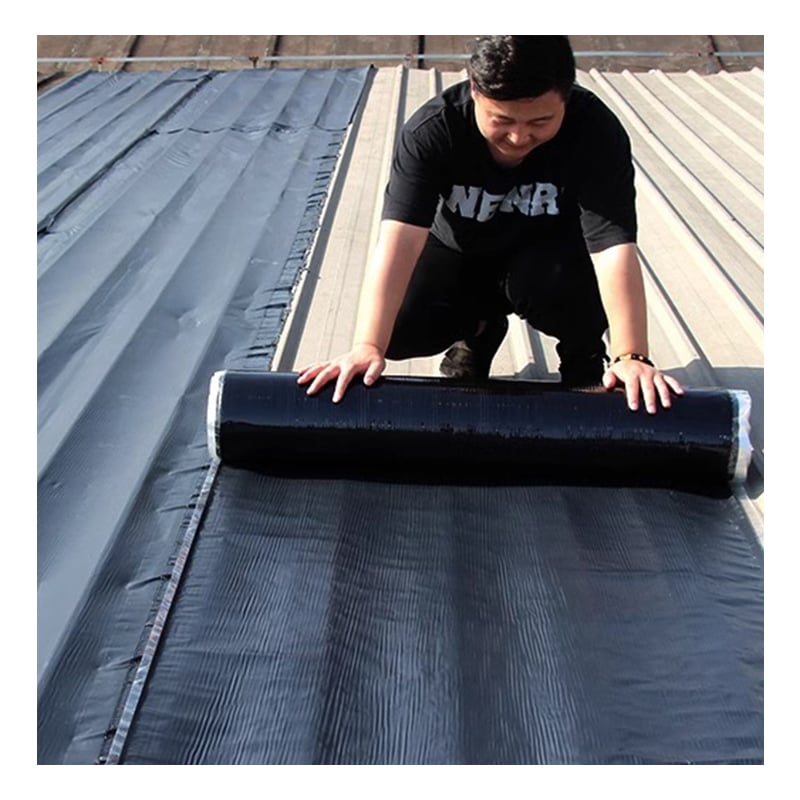
The selection of appropriate roof waterproofing materials represents a critical decision that directly impacts the longevity, performance, and cost-effectiveness of any building structure. Climate conditions serve as the primary determining factor in this selection process, as different environmental stressors require specific material properties to ensure optimal protection. Understanding how temperature fluctuations, precipitation patterns, UV exposure, and humidity levels affect various waterproofing solutions enables property owners and contractors to make informed decisions that maximize their investment while providing reliable long-term protection.
Temperature Extremes and Material Performance
Heat Resistance in Hot Climates
In regions characterized by extreme heat and prolonged sun exposure, roof waterproofing materials must demonstrate exceptional thermal stability and UV resistance. Modified bitumen membranes with reflective surfaces excel in desert climates where surface temperatures can exceed 180 degrees Fahrenheit. These materials incorporate polymer modifiers that maintain flexibility even under intense heat, preventing cracking and membrane failure. EPDM rubber membranes also perform admirably in hot climates due to their superior UV resistance and ability to withstand thermal cycling without degrading.
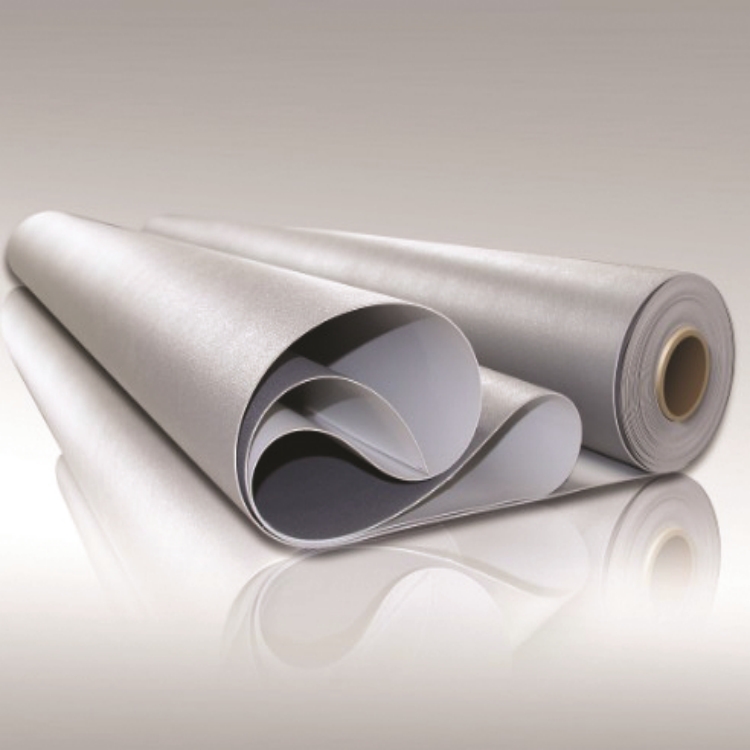
Single-ply thermoplastic membranes, particularly TPO and PVC systems, offer excellent heat reflection properties that reduce cooling costs while maintaining structural integrity. Their white or light-colored surfaces can reflect up to 80% of solar radiation, significantly reducing heat absorption and thermal stress on the underlying structure. These materials resist thermal shock and maintain their waterproofing properties even when subjected to daily temperature variations of 50 degrees or more.
Cold Weather Durability
Cold climates present unique challenges for roof waterproofing materials, requiring solutions that remain flexible at low temperatures while resisting ice damage and freeze-thaw cycles. Modified bitumen systems with SBS polymer modification maintain their elastomeric properties down to minus 40 degrees Fahrenheit, making them ideal for northern climates. These materials can accommodate structural movement caused by thermal contraction without developing leaks or stress fractures.
Liquid-applied membranes formulated for cold weather applications provide seamless protection that eliminates vulnerable seams and joints where ice formation could cause damage. These systems cure to form monolithic membranes that flex with building movement while maintaining their waterproof barrier. Cold-applied adhesives and primers ensure proper installation even in challenging temperature conditions, extending the installation season for roofing contractors.
Precipitation Patterns and Drainage Requirements
Heavy Rainfall Considerations
Regions experiencing frequent heavy rainfall or monsoon conditions require roof waterproofing materials with superior water resistance and rapid drainage capabilities. Self-adhered membranes with aggressive adhesive systems provide excellent watertight seals that prevent water infiltration even under hydrostatic pressure conditions. These materials feature enhanced granule embedment and polymer formulations that resist water absorption and maintain their protective properties when saturated.
Fully adhered membrane systems eliminate the risk of wind uplift during severe weather events while providing continuous waterproof protection. The installation method ensures that water cannot migrate beneath the membrane system, even if the surface membrane is punctured or damaged. Proper selection of drainage materials and slope design becomes critical in high-precipitation areas to prevent ponding water that could compromise any waterproofing system over time.
Snow and Ice Load Management
Areas subject to significant snow accumulation and ice formation require roof waterproofing materials capable of handling substantial loads while maintaining their protective barrier. Ice and water shield membranes provide critical protection in vulnerable areas such as eaves, valleys, and penetrations where ice dams commonly form. These self-sealing membranes conform around nail penetrations and maintain their waterproof seal even when subjected to thermal cycling and structural movement.
Reinforced membrane systems with high tensile strength can accommodate the additional loads imposed by snow accumulation without stretching or tearing. Proper vapor barrier installation becomes essential in cold climates to prevent condensation formation that could lead to ice buildup within the roof assembly. The selection of compatible insulation materials and vapor retarders ensures the entire roof system functions as an integrated weatherproofing unit.
Humidity and Moisture Management
High Humidity Environments
Coastal areas and tropical climates with consistently high humidity levels present unique challenges for roof waterproofing material selection and installation. Materials must resist moisture absorption while allowing vapor transmission to prevent condensation buildup within the roof assembly. Breathable membrane systems balance waterproofing performance with vapor permeability, allowing moisture to escape while blocking liquid water infiltration.
Anti-microbial treatments become essential in humid climates where mold and algae growth can compromise membrane integrity and building health. Modified bitumen systems with copper or zinc granules provide inherent biological resistance while maintaining their waterproofing performance. Proper ventilation design and vapor barrier placement prevent humidity-related problems that could affect both the waterproofing system and the underlying structure.
Arid Climate Considerations
Desert and semi-arid regions subject roof waterproofing materials to intense UV radiation, extreme temperature variations, and occasional severe weather events. Materials must demonstrate exceptional UV stability while resisting thermal cycling damage and sudden temperature changes. Light-colored membrane systems with high solar reflectance reduce heat absorption and thermal stress while maintaining their protective properties over extended service lives.
Wind resistance becomes critical in arid regions where dust storms and high winds can damage inadequately secured systems. Fully adhered installation methods provide superior wind uplift resistance compared to mechanically fastened or ballasted systems. Proper edge details and penetration sealing prevent wind-driven moisture infiltration during the brief but intense precipitation events common in desert climates.
UV Exposure and Material Degradation
Solar Radiation Effects
Ultraviolet radiation represents one of the most significant environmental stressors affecting roof waterproofing materials in most climate zones. Prolonged UV exposure can cause polymer degradation, surface chalking, and loss of flexibility in materials not specifically designed for solar resistance. EPDM membranes formulated with carbon black provide excellent UV protection while maintaining their elastomeric properties for decades of service life.
Thermoplastic membranes incorporate UV stabilizers and heat reflective properties that protect both the membrane surface and underlying materials from solar degradation. Regular inspection and maintenance programs help identify early signs of UV damage such as surface discoloration or brittleness before they compromise the waterproofing system. Protective coatings and surfacing materials extend membrane life in high-UV environments while providing additional benefits such as energy efficiency and fire resistance.
Reflectivity and Energy Performance
Cool roof technology integration with waterproofing systems provides dual benefits of weather protection and energy efficiency in sunny climates. White or light-colored membrane surfaces can reduce roof surface temperatures by 50-60 degrees compared to traditional dark materials, significantly reducing cooling costs and urban heat island effects. These reflective systems maintain their waterproofing performance while contributing to LEED certification and energy code compliance.
Granule-surfaced modified bitumen systems offer excellent solar reflectance when formulated with specially coated mineral granules that reflect infrared radiation while maintaining their protective properties. The combination of waterproofing performance and energy efficiency makes these systems particularly attractive for commercial and industrial applications where both protection and operating cost reduction are priorities.
Installation Climate Considerations
Temperature-Sensitive Applications
The climate during installation significantly affects the performance and longevity of many roof waterproofing materials, requiring careful timing and weather monitoring for optimal results. Hot-applied systems must be installed within specific temperature ranges to ensure proper adhesion and membrane properties. Cold weather installations may require heated application equipment and environmental protection to achieve manufacturer-specified performance standards.
Self-adhered membranes perform best when applied to clean, dry surfaces at temperatures above 45 degrees Fahrenheit, though some cold-weather formulations extend this range significantly. Primer application becomes critical in marginal temperature conditions to ensure proper adhesion and long-term performance. Installation crews must monitor ambient conditions, substrate temperature, and material temperature to maintain quality control throughout the application process.
Seasonal Planning Strategies
Strategic project scheduling based on local climate patterns maximizes installation quality while minimizing weather-related delays and complications. Spring and fall installations often provide optimal temperature and humidity conditions for most waterproofing systems while avoiding extreme summer heat and winter cold. Emergency repair capabilities require materials and methods suitable for installation in adverse conditions when waiting for ideal weather is not practical.
Winter installation techniques using cold-weather materials and heated application methods enable year-round construction schedules in northern climates. These specialized systems may carry premium costs but provide schedule flexibility and emergency repair capabilities that justify their selection for time-critical projects. Proper surface preparation becomes even more important in challenging installation conditions to ensure long-term system performance.
FAQ
What roof waterproofing material works best in hurricane-prone areas
Hurricane-prone regions require fully adhered membrane systems with high tensile strength and superior wind uplift resistance. Modified bitumen with SBS polymer modification or reinforced EPDM membranes provide excellent wind resistance when properly installed. The installation method is equally important, with full adhesion offering significantly better performance than mechanically fastened systems during severe weather events. Proper edge detailing and penetration sealing prevent wind-driven rain infiltration that could compromise the system during storms.
How does altitude affect waterproofing material selection
High-altitude installations face increased UV radiation intensity and greater temperature fluctuations that accelerate material aging. Materials with enhanced UV stabilizers and superior thermal cycling resistance perform better at elevation. The reduced atmospheric pressure can affect the curing of liquid-applied systems and adhesive performance. Installation timing becomes critical as weather conditions change rapidly at high altitudes, requiring flexible scheduling and weather monitoring capabilities.
Can the same waterproofing material work in both hot and cold climates
While some premium materials offer broad temperature performance ranges, optimal selection typically involves climate-specific formulations. SBS-modified bitumen systems provide good performance across wide temperature ranges but may not be optimal for extreme conditions. TPO membranes offer excellent hot weather performance but may become brittle in extreme cold. Regional climate analysis should guide material selection for optimal long-term performance and cost-effectiveness.
What maintenance requirements vary by climate zone
Hot, sunny climates require more frequent inspection for UV degradation and surface deterioration, typically twice yearly. Cold climates need spring inspections for ice damage and fall preparation for winter conditions. High-precipitation areas benefit from quarterly drainage system cleaning and membrane inspection. Desert regions require dust removal and inspection after windstorms. Coastal areas need additional attention to corrosion protection and salt damage prevention for metal components and fasteners.