 EN
EN

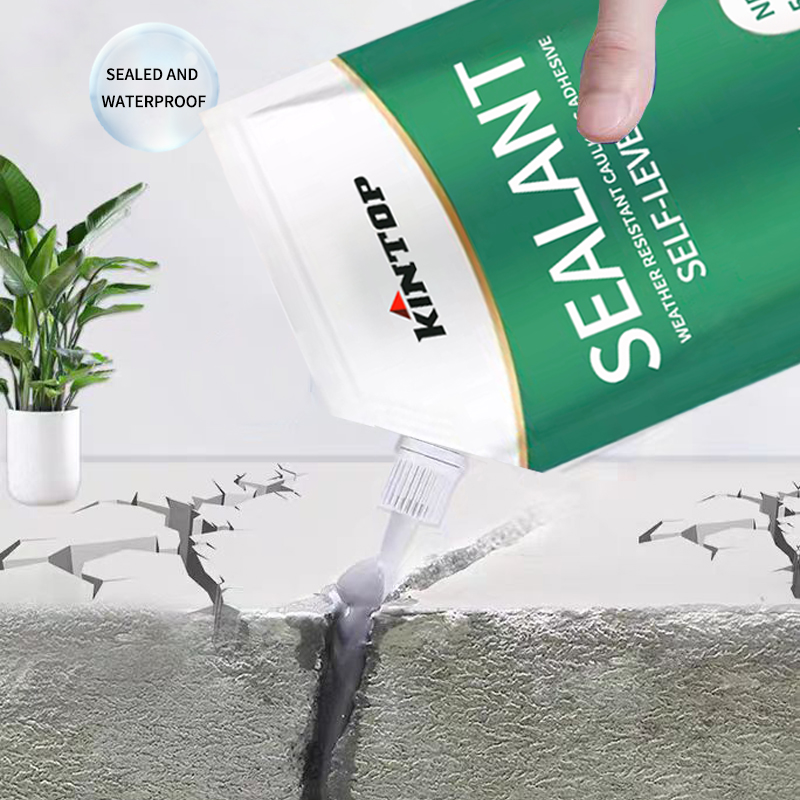
The construction industry has witnessed remarkable advancements in grouting technologies, particularly with the emergence of innovative materials that offer superior performance and durability. Modern construction projects demand efficient solutions that can withstand challenging environmental conditions while providing long-lasting structural integrity. Among the most significant developments in this field is the evolution of specialized grouting systems that combine advanced chemistry with practical application methods. These innovations have revolutionized how professionals approach foundation repair, waterproofing, and structural stabilization projects across various industrial sectors.
Advanced Chemical Formulations in Modern Grouting
Polymer-Based Solutions
The development of polymer-based grouting materials has transformed the industry landscape by offering enhanced flexibility and adhesion properties. These advanced formulations incorporate sophisticated chemical compounds that provide superior bonding characteristics compared to traditional cement-based alternatives. Engineers and contractors increasingly rely on these materials for projects requiring exceptional durability and resistance to environmental stresses. The polymer matrix creates a more resilient seal that adapts to structural movements without compromising integrity.
Modern polymer grouting systems demonstrate remarkable versatility in addressing diverse construction challenges. These materials exhibit excellent penetration capabilities, allowing them to fill microscopic voids and cracks that conventional grouts cannot reach effectively. The chemical composition ensures optimal performance in both above-ground and subterranean applications, making them ideal for infrastructure projects spanning multiple decades.
Rapid-Setting Technologies
Contemporary grouting solutions feature rapid-setting technologies that significantly reduce project timelines while maintaining quality standards. These fast-curing formulations allow construction teams to complete multiple phases within compressed schedules, enhancing overall project efficiency. The chemical reaction mechanisms have been optimized to achieve full strength development in minutes rather than hours, revolutionizing workflow management on construction sites.
The acceleration of curing processes does not compromise the final product quality, as modern rapid-setting grouts maintain all essential performance characteristics. These materials provide immediate structural support, enabling contractors to proceed with subsequent construction phases without extended waiting periods. The time-saving benefits translate directly into cost reductions and improved project profitability for construction companies.
Cutting-Edge Application Tools and Equipment
High-Pressure Injection Systems
Revolutionary high-pressure injection systems have enhanced the precision and effectiveness of grouting applications across various project types. These sophisticated tools enable contractors to deliver materials at optimal pressures, ensuring complete penetration and void filling. The pressure control mechanisms allow for fine-tuned adjustments based on specific substrate conditions and project requirements. Advanced monitoring systems provide real-time feedback on injection parameters, optimizing material placement and reducing waste.
Modern injection equipment incorporates digital controls that maintain consistent pressure throughout the application process. These systems prevent over-pressurization that could damage surrounding structures while ensuring adequate material distribution. The precision afforded by contemporary tools results in more reliable outcomes and reduced material consumption, contributing to both cost savings and environmental sustainability.
Automated Mixing and Delivery Systems
Automated mixing and delivery systems have eliminated many variables that previously affected grout quality and consistency. These sophisticated machines ensure precise material ratios and thorough mixing, producing homogeneous products that meet exact specifications. The automation reduces human error while maintaining consistent quality across large-scale projects. Integration with digital monitoring systems provides comprehensive documentation of mixing parameters and material properties.
The efficiency gains from automated systems extend beyond quality improvements to include significant labor cost reductions. These machines can operate continuously with minimal supervision, allowing skilled technicians to focus on critical aspects of project management and quality control. The consistent output quality ensures predictable performance characteristics, enabling engineers to design with greater confidence in material properties.
Specialized Applications and Performance Characteristics
Underwater and Marine Applications
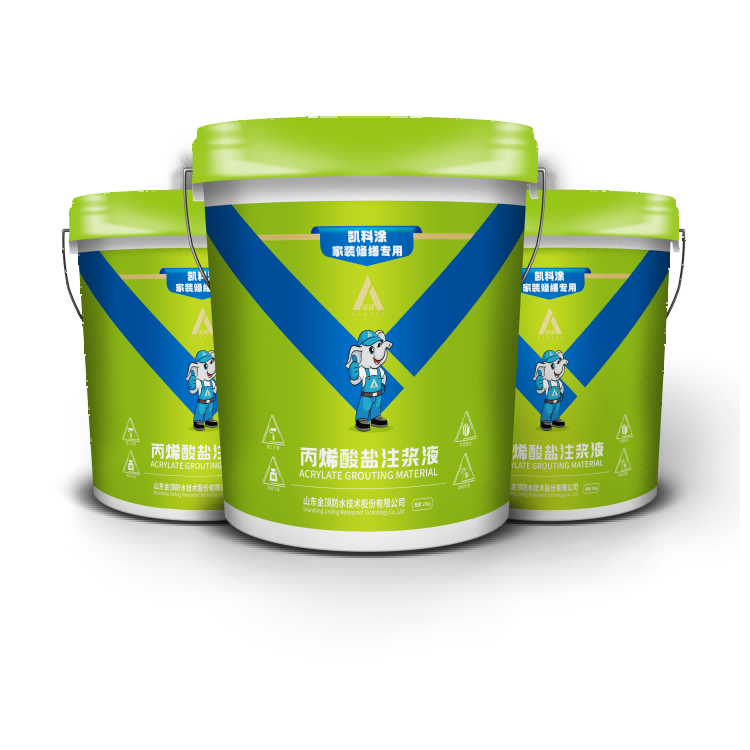
Specialized grouting materials designed for underwater and marine environments represent significant technological achievements in chemical engineering. These formulations resist water dilution and maintain cohesion even when applied in fully submerged conditions. The acrylate grouting systems demonstrate exceptional performance in marine environments, providing reliable sealing solutions for underwater structures and foundations.
Marine-grade grouting materials incorporate corrosion inhibitors and salt-resistant additives that extend service life in harsh coastal environments. These specialized formulations maintain structural integrity despite constant exposure to saltwater, temperature fluctuations, and mechanical stresses. The development of these materials has enabled construction of more durable marine infrastructure, including ports, bridges, and offshore platforms.
High-Temperature Resistant Formulations
Industrial applications requiring high-temperature resistance have driven the development of specialized grouting materials that maintain performance under extreme thermal conditions. These advanced formulations incorporate heat-stable polymers and additives that prevent degradation at elevated temperatures. The materials retain their mechanical properties and chemical stability across wide temperature ranges, making them suitable for power plants, refineries, and other high-temperature industrial facilities.
The thermal stability of modern grouting materials enables their use in applications previously considered impossible with conventional products. These materials resist thermal cycling effects that can cause cracking and failure in standard grouts. The enhanced temperature performance opens new possibilities for grouting applications in demanding industrial environments where traditional materials would fail.
Environmental Sustainability and Green Technologies
Low-VOC and Eco-Friendly Formulations
Environmental consciousness has driven significant innovations in grouting materials, leading to the development of low-VOC and eco-friendly formulations that reduce environmental impact. These sustainable products maintain all essential performance characteristics while minimizing harmful emissions during application and curing. The reduced environmental footprint aligns with green building initiatives and regulatory requirements in many jurisdictions.
Sustainable grouting materials often incorporate recycled content and renewable raw materials without compromising performance standards. These innovations demonstrate that environmental responsibility and technical performance are not mutually exclusive. The adoption of green grouting technologies contributes to LEED certification and other sustainability rating systems, adding value to construction projects.
Bio-Based Material Integration
The integration of bio-based materials into grouting formulations represents a frontier in sustainable construction chemistry. These innovative products utilize renewable biological resources to create high-performance materials that rival traditional petroleum-based alternatives. The bio-based components often enhance certain performance characteristics while reducing dependence on finite fossil resources.
Research into bio-based grouting materials continues to yield promising results, with some formulations demonstrating superior flexibility and durability compared to conventional alternatives. These developments align with broader industry trends toward sustainable construction practices and circular economy principles. The successful commercialization of bio-based grouting products could significantly reduce the construction industry's environmental footprint.
Quality Control and Testing Innovations
Non-Destructive Testing Methods
Advanced non-destructive testing methods have revolutionized quality assurance in grouting applications, enabling comprehensive evaluation without compromising structural integrity. These sophisticated techniques provide detailed information about grout distribution, density, and bonding quality throughout the treated area. The real-time monitoring capabilities allow for immediate adjustments to application parameters, ensuring optimal results.
Modern testing equipment utilizes ultrasonic, electromagnetic, and other advanced technologies to assess grout quality and coverage. These methods provide quantitative data that supports engineering analyses and long-term performance predictions. The ability to verify installation quality without destructive sampling enhances project confidence and reduces potential liability issues.
Digital Documentation and Traceability
Digital documentation systems provide comprehensive traceability for grouting materials and application processes, supporting quality management and regulatory compliance. These systems capture detailed information about material batches, mixing parameters, application conditions, and test results. The digital records enable sophisticated analysis of performance trends and facilitate continuous improvement initiatives.
The integration of digital technologies with grouting operations creates valuable databases that inform future project planning and material selection decisions. These systems support predictive maintenance programs and help optimize material specifications based on actual performance data. The enhanced documentation capabilities provide transparency and accountability that benefit all project stakeholders.
Future Trends and Emerging Technologies
Smart Materials and Responsive Systems
Emerging smart material technologies promise to revolutionize grouting applications through responsive systems that adapt to changing conditions. These innovative materials can modify their properties based on environmental triggers such as temperature, moisture, or chemical exposure. The development of truly smart grouting materials could enable self-healing systems that automatically repair minor damage over time.
Research into responsive grouting systems explores materials that can provide real-time feedback about their condition and performance. These technologies could integrate sensors that monitor structural health and alert maintenance teams to potential issues before they become critical. The convergence of materials science and digital technologies opens unprecedented possibilities for intelligent construction materials.
Nanotechnology Applications
Nanotechnology applications in grouting materials offer the potential for dramatically improved performance characteristics through molecular-level engineering. These advanced materials could provide enhanced strength, durability, and functionality while reducing material requirements. The precise control possible at the nanoscale enables optimization of specific properties for particular applications.
The integration of nanomaterials into grouting formulations requires careful consideration of safety and environmental impacts, but the potential benefits are substantial. Enhanced penetration capabilities, improved chemical resistance, and superior mechanical properties represent just a few of the advantages possible through nanotechnology applications. The continued development of these materials will likely drive the next generation of grouting innovations.
Cost-Effectiveness and Economic Considerations
Life-Cycle Cost Analysis
Modern grouting materials offer significant advantages when evaluated through comprehensive life-cycle cost analysis, demonstrating superior value despite potentially higher initial costs. The enhanced durability and reduced maintenance requirements of advanced formulations result in lower total ownership costs over the structure's service life. These economic benefits become particularly pronounced in challenging environments where traditional materials require frequent replacement or repair.
The extended service life of modern grouting materials reduces the frequency of maintenance interventions, minimizing disruption to facility operations. This factor becomes especially important in industrial settings where downtime costs can exceed material expenses by substantial margins. The reliability of contemporary grouting systems enables predictable maintenance scheduling and budget planning.
Return on Investment Calculations
Investment in advanced grouting technologies typically generates positive returns through reduced maintenance costs, extended equipment life, and improved operational reliability. The quantifiable benefits include reduced labor costs for repairs, decreased material consumption over time, and enhanced structural performance. These factors combine to create compelling economic justifications for adopting innovative grouting solutions.
The economic advantages of modern grouting materials extend beyond direct cost savings to include improved project schedules and reduced risk exposure. Faster application and curing times translate to earlier project completion and revenue generation. The enhanced reliability reduces contingency requirements and insurance costs, further improving project economics.
FAQ
What makes modern acrylate grouting superior to traditional cement-based alternatives
Modern acrylate grouting systems offer superior flexibility, chemical resistance, and penetration capabilities compared to traditional cement-based materials. These advanced formulations provide better adhesion to various substrates and maintain their properties under challenging environmental conditions. The polymer chemistry enables these materials to accommodate structural movements without cracking, resulting in longer-lasting installations and reduced maintenance requirements.
How do rapid-setting grouting materials maintain quality while accelerating cure times
Rapid-setting grouting materials achieve faster cure times through optimized chemical reaction mechanisms that do not compromise final strength or durability. These formulations utilize advanced catalysts and accelerators that promote controlled curing while maintaining all essential performance characteristics. The precise chemistry ensures that rapid setting does not result in reduced bond strength, chemical resistance, or long-term stability.
What environmental benefits do modern eco-friendly grouting materials provide
Eco-friendly grouting materials reduce environmental impact through lower VOC emissions, incorporation of recycled content, and use of renewable raw materials. These sustainable formulations often exceed the performance of traditional materials while contributing to green building certifications and regulatory compliance. The reduced environmental footprint extends throughout the material lifecycle, from production through application and eventual disposal or recycling.
How do automated mixing systems improve grouting quality and consistency
Automated mixing systems ensure precise material ratios and thorough blending, eliminating human error and variability that can affect grout performance. These sophisticated machines maintain consistent mixing parameters throughout the application process, producing homogeneous materials that meet exact specifications. The digital controls provide comprehensive documentation and enable real-time adjustments to optimize material properties for specific application requirements.
Table of Contents
- Advanced Chemical Formulations in Modern Grouting
- Cutting-Edge Application Tools and Equipment
- Specialized Applications and Performance Characteristics
- Environmental Sustainability and Green Technologies
- Quality Control and Testing Innovations
- Future Trends and Emerging Technologies
- Cost-Effectiveness and Economic Considerations
-
FAQ
- What makes modern acrylate grouting superior to traditional cement-based alternatives
- How do rapid-setting grouting materials maintain quality while accelerating cure times
- What environmental benefits do modern eco-friendly grouting materials provide
- How do automated mixing systems improve grouting quality and consistency