 EN
EN
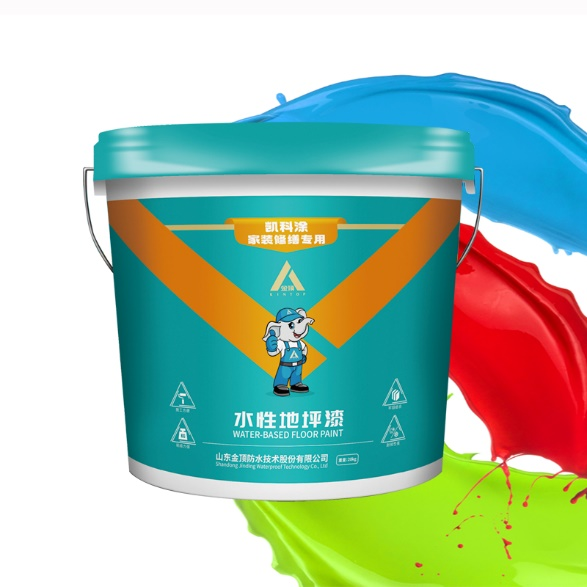
When selecting the ideal coating solution for commercial and industrial flooring applications, understanding the fundamental differences between water-based and solvent-based floor paints becomes crucial for achieving optimal performance and longevity. These two primary categories of floor paints offer distinct advantages and limitations that can significantly impact project outcomes, maintenance requirements, and overall cost-effectiveness. Modern floor paints have evolved considerably, with manufacturers developing sophisticated formulations that address specific environmental conditions, traffic loads, and aesthetic requirements across diverse industrial sectors.
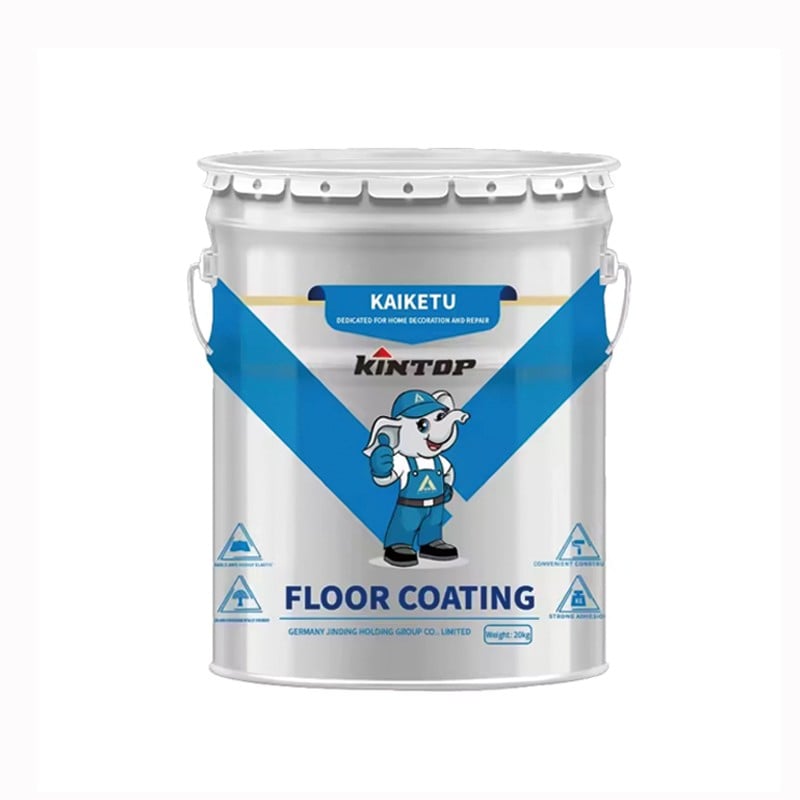
Chemical Composition and Performance Characteristics
Water-Based Floor Paint Formulation
Water-based floor paints utilize water as the primary carrier medium, incorporating advanced polymer resins, pigments, and additives to create durable coating systems. These formulations typically contain acrylic, polyurethane, or epoxy resins suspended in aqueous solutions, resulting in lower volatile organic compound emissions and improved environmental compatibility. The molecular structure of water-based floor paints allows for excellent adhesion properties while maintaining flexibility that accommodates substrate movement and thermal expansion.
Modern water-based formulations demonstrate remarkable durability improvements through advanced crosslinking technologies that enhance chemical resistance and mechanical properties. These floor paints offer superior color retention due to UV-stable pigment systems that resist fading and chalking over extended exposure periods. Additionally, the water-based chemistry enables faster curing times and reduced odor emission during application, making them suitable for occupied spaces and time-sensitive projects.
Solvent-Based Floor Paint Chemistry
Solvent-based floor paints employ organic solvents such as xylene, toluene, or mineral spirits as carrier systems, dissolving resin components to create homogeneous coating solutions. These formulations traditionally offer superior penetration capabilities and enhanced adhesion to challenging substrates, particularly on surfaces with minimal preparation or existing coatings. The solvent carrier system facilitates deeper substrate penetration, creating stronger mechanical bonds that improve long-term performance in high-stress applications.
The chemical structure of solvent-based floor paints provides exceptional resistance to moisture, chemicals, and abrasion, making them ideal for harsh industrial environments. These coatings cure through solvent evaporation and chemical crosslinking processes, resulting in dense, highly durable films that withstand extreme conditions. However, the organic solvent content contributes to higher volatile organic compound emissions and requires additional ventilation considerations during application.
Environmental Impact and Regulatory Compliance
VOC Emissions and Air Quality Considerations
Environmental regulations increasingly favor water-based floor paints due to their significantly lower volatile organic compound emissions compared to solvent-based alternatives. These regulations, including LEED certification requirements and regional air quality standards, often mandate specific VOC limits that favor water-based formulations. The reduced emission profile of water-based floor paints contributes to improved indoor air quality and worker safety during application and curing processes.
Solvent-based floor paints typically require specialized ventilation systems and personal protective equipment during application to manage organic vapor exposure. While these coatings offer superior performance characteristics in many applications, their environmental impact necessitates careful consideration of regulatory compliance and worker safety protocols. Many jurisdictions now restrict or prohibit high-VOC floor paints in certain applications, making water-based alternatives increasingly attractive for regulatory compliance.
Sustainability and Green Building Standards
Water-based floor paints align with sustainable building practices and green certification programs through reduced environmental impact and improved occupant health considerations. These coatings contribute to LEED points and other green building certifications while supporting corporate sustainability initiatives. The lower carbon footprint of water-based manufacturing processes and reduced transportation emissions due to higher solids content make these floor paints environmentally preferable.
Disposal and cleanup procedures for water-based floor paints generate less hazardous waste compared to solvent-based alternatives, reducing environmental liability and disposal costs. The water-soluble nature of uncured material simplifies spill cleanup and equipment cleaning, while cured films remain environmentally stable and non-leaching. These characteristics support circular economy principles and responsible waste management practices in industrial applications.
Application Properties and Installation Requirements
Surface Preparation and Adhesion Performance
Water-based floor paints typically require more thorough surface preparation to achieve optimal adhesion, particularly on dense concrete substrates or previously sealed surfaces. The aqueous carrier system may not penetrate as deeply as organic solvents, necessitating mechanical preparation such as shot blasting or diamond grinding to create adequate surface profile. However, modern water-based formulations incorporate advanced wetting agents and adhesion promoters that improve bonding to properly prepared substrates.
Solvent-based floor paints demonstrate superior penetration capabilities on various substrate types, often achieving adequate adhesion with minimal surface preparation. The organic solvents can dissolve surface contaminants and penetrate into substrate pores, creating mechanical interlocking that enhances bond strength. This characteristic makes solvent-based options advantageous for renovation projects or applications where extensive surface preparation is not feasible.
Curing Time and Temperature Sensitivity
Water-based floor paints generally cure faster than solvent-based alternatives, allowing for quicker return to service and reduced project downtime. The evaporation rate of water can be controlled through humidity management and air circulation, enabling predictable curing schedules. However, these coatings may be more sensitive to temperature and humidity fluctuations during application, requiring environmental controls for optimal results.
Solvent-based floor paints exhibit more consistent curing characteristics across varying environmental conditions, though they typically require longer cure times for full chemical crosslinking. The organic solvents evaporate at predictable rates regardless of humidity levels, providing consistent application properties. Temperature sensitivity remains a factor, but solvent-based formulations generally tolerate wider temperature ranges during application and initial cure phases.
Durability and Long-Term Performance Analysis
Wear Resistance and Traffic Durability
Modern water-based floor paints incorporate advanced polymer technologies that provide excellent wear resistance and traffic durability comparable to traditional solvent-based systems. Polyurethane and hybrid polymer formulations demonstrate superior abrasion resistance while maintaining flexibility that prevents cracking under dynamic loads. These floor paints perform exceptionally well in moderate to heavy traffic applications when properly applied and maintained.
Solvent-based floor paints traditionally offer superior mechanical properties and wear resistance due to higher crosslink density and chemical resistance. These coatings excel in extreme service conditions, including heavy industrial traffic, chemical exposure, and thermal cycling. The dense film formation characteristic of solvent-based systems provides exceptional protection against abrasion, impact, and penetration of aggressive substances.
Chemical Resistance and Maintenance Requirements
Water-based floor paints demonstrate good chemical resistance to common industrial fluids, though they may be more susceptible to certain aggressive chemicals compared to solvent-based alternatives. Advanced water-based formulations incorporate specialized resins and crosslinking agents that improve chemical resistance while maintaining environmental advantages. Regular maintenance and prompt spill cleanup help maximize service life and appearance retention.
Solvent-based floor paints excel in chemical resistance applications, particularly against petroleum products, solvents, and acidic solutions. The dense, highly crosslinked film structure provides superior barrier properties that prevent chemical penetration and substrate damage. These characteristics make solvent-based options preferred for chemical processing facilities, automotive service areas, and industrial manufacturing environments with aggressive chemical exposure.
Cost Considerations and Economic Analysis
Initial Application Costs
Water-based floor paints often command higher initial material costs compared to solvent-based alternatives, though this gap has narrowed significantly with technological advances and increased production volumes. The reduced labor costs associated with faster curing times and simplified cleanup procedures can offset higher material costs in many applications. Additionally, the elimination of specialized ventilation requirements and reduced personal protective equipment needs contribute to overall cost savings.
Solvent-based floor paints typically offer lower initial material costs but may require additional expenses for ventilation, safety equipment, and extended cure times. The superior coverage and penetration characteristics of solvent-based systems can result in lower consumption rates on properly prepared substrates. However, increasing regulatory compliance costs and disposal fees for hazardous waste may impact overall project economics.
Life-Cycle Cost Analysis
Long-term economic analysis must consider maintenance frequency, recoating intervals, and service life expectations for both water-based and solvent-based floor paints. Water-based systems may require more frequent maintenance in high-stress applications but offer easier repair and touch-up procedures. The reduced environmental liability and disposal costs associated with water-based systems contribute to favorable life-cycle economics in many applications.
Solvent-based floor paints typically demonstrate longer service intervals and reduced maintenance requirements in severe service conditions, potentially offsetting higher initial application costs. The superior durability and chemical resistance of these systems can result in extended recoating cycles and reduced total cost of ownership. However, changing environmental regulations and disposal costs may impact future economic viability of solvent-based options.
FAQ
Which type of floor paint is better for high-traffic industrial areas
For high-traffic industrial areas, both water-based and solvent-based floor paints can provide excellent performance when properly selected and applied. Solvent-based systems traditionally offer superior wear resistance and mechanical properties for extreme service conditions, while advanced water-based formulations with polyurethane or hybrid polymer technologies now provide comparable durability with environmental advantages. The choice depends on specific traffic types, chemical exposure, and environmental requirements of the facility.
How do curing times compare between water-based and solvent-based floor paints
Water-based floor paints generally cure faster than solvent-based alternatives, typically allowing foot traffic within 4-8 hours and full cure within 24-48 hours under normal conditions. Solvent-based systems usually require 8-12 hours before foot traffic and may need 48-72 hours for complete cure and chemical resistance development. However, curing times for both systems vary significantly based on temperature, humidity, ventilation, and film thickness.
Can water-based floor paints match the chemical resistance of solvent-based systems
Modern water-based floor paints have significantly improved chemical resistance through advanced polymer chemistry and crosslinking technologies, approaching the performance of traditional solvent-based systems in many applications. While solvent-based coatings still excel in extreme chemical environments, water-based alternatives now provide adequate protection against common industrial chemicals, oils, and cleaning agents. The specific chemical resistance requirements should be evaluated against manufacturer specifications for each product type.
What are the main environmental advantages of choosing water-based floor paints
Water-based floor paints offer substantial environmental benefits including dramatically reduced volatile organic compound emissions, improved indoor air quality, lower carbon footprint during manufacturing and transportation, and simplified disposal procedures. These advantages support green building certifications, regulatory compliance, and corporate sustainability goals while reducing worker exposure risks and environmental liability. The elimination of hazardous air pollutants and reduced odor emissions make water-based options suitable for occupied facilities and environmentally sensitive locations.
Table of Contents
- Chemical Composition and Performance Characteristics
- Environmental Impact and Regulatory Compliance
- Application Properties and Installation Requirements
- Durability and Long-Term Performance Analysis
- Cost Considerations and Economic Analysis
-
FAQ
- Which type of floor paint is better for high-traffic industrial areas
- How do curing times compare between water-based and solvent-based floor paints
- Can water-based floor paints match the chemical resistance of solvent-based systems
- What are the main environmental advantages of choosing water-based floor paints